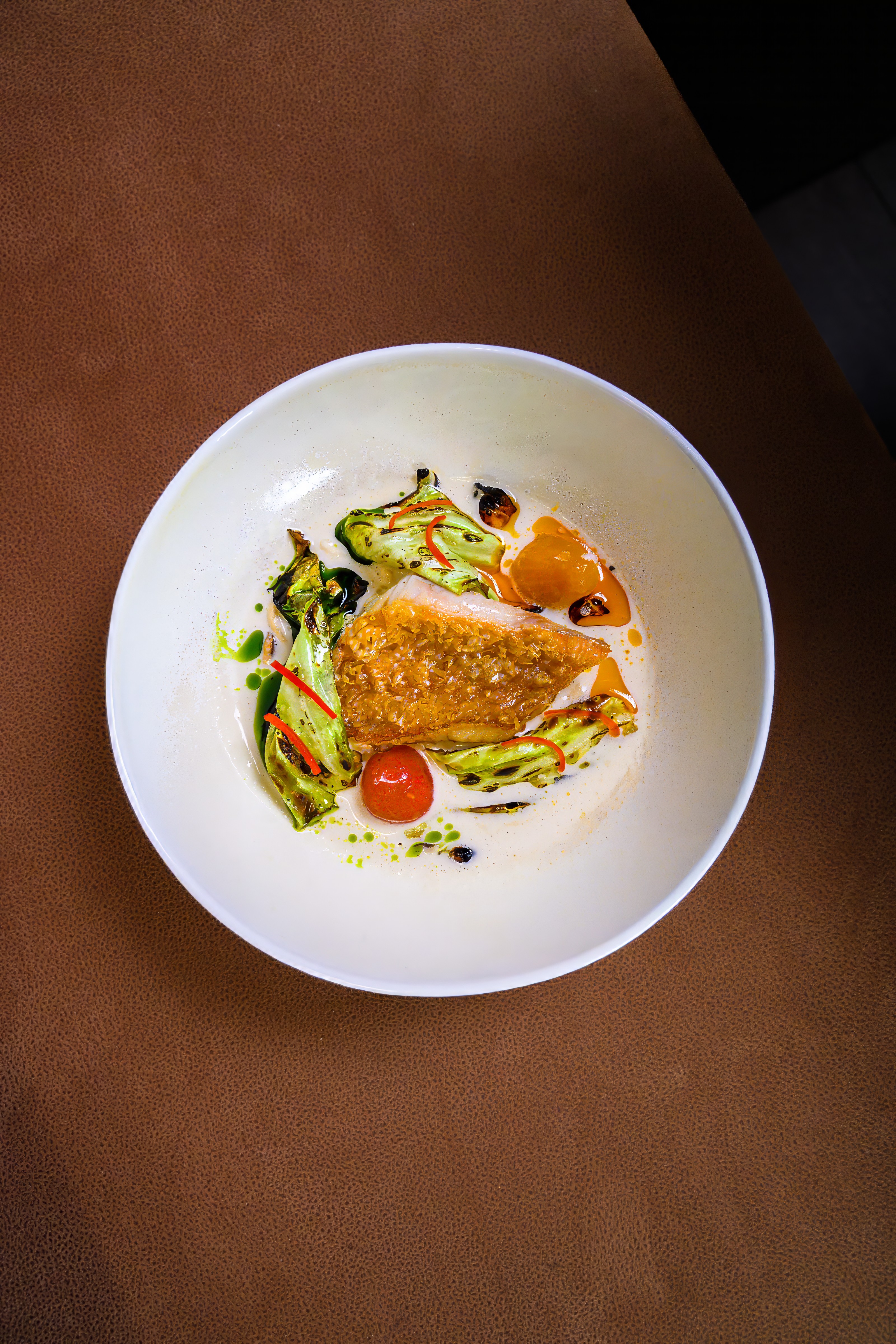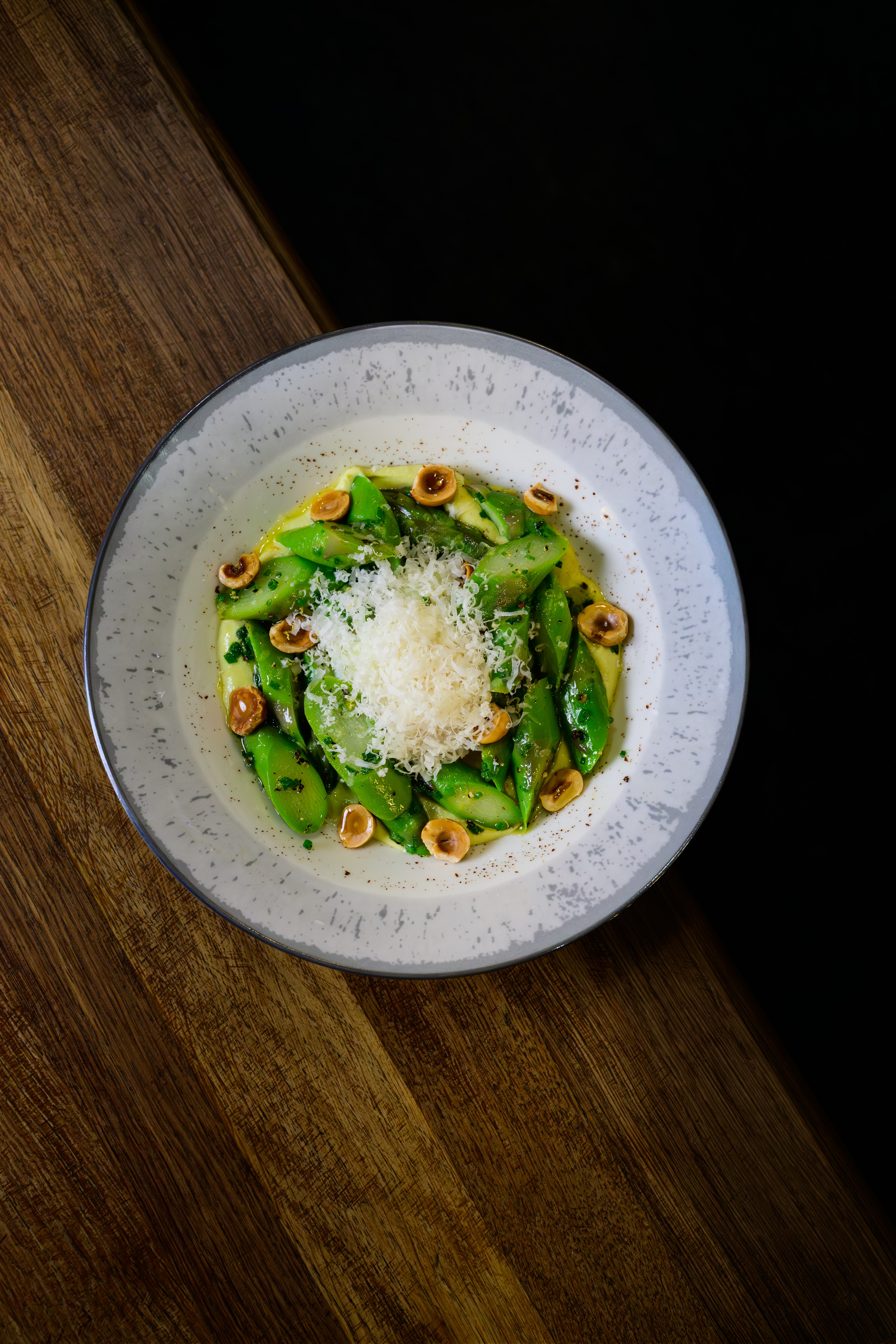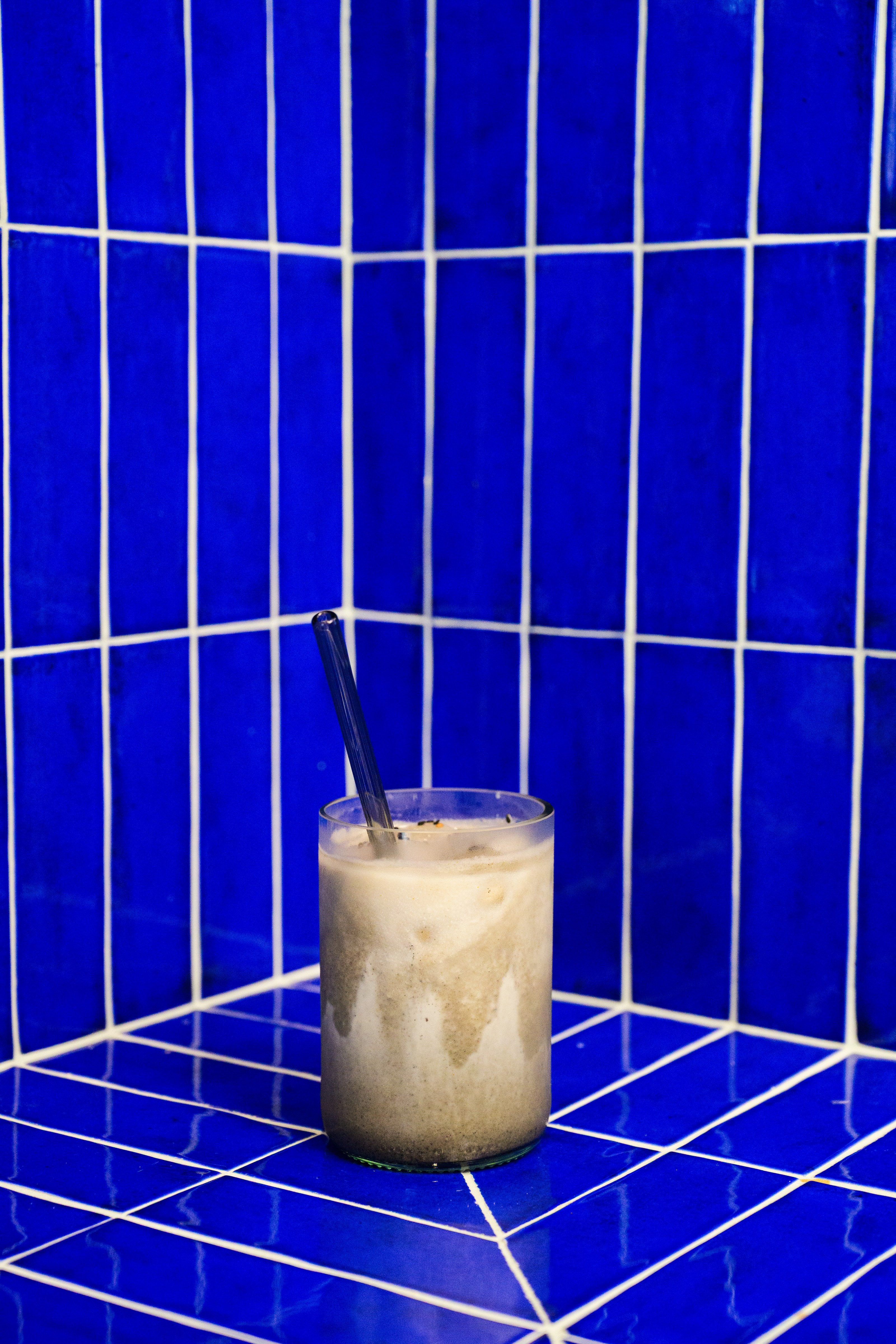
Imagine someone discovering a restaurant through a reel at 10:30 p.m. They tap the profile, open the website and want three answers: Where is it? What does it feel like? Can I book Saturday? The restaurant is fictional, but that decision happens every day.
Good restaurant website design does not begin with animation. It begins with reducing doubt. The page should help a guest move from curiosity to confidence without hunting for essential information.
Give the first screen one job
The opening screen should quickly communicate the restaurant’s character and provide a clear next step. A strong image can establish appetite and atmosphere, but it needs support from useful words: the type of experience, the city or neighborhood, and an unmistakable reservation action.
Avoid giving five buttons equal importance. Choose the primary action—usually booking—then let menus, directions and social links support it.
Design for the mobile decision
Restaurant research often happens between other activities: walking, messaging friends or choosing a place for that evening. The mobile version therefore needs ruthless clarity.
- Keep the reservation button easy to find.
- Use readable menu text instead of forcing guests to zoom into an image.
- Show the address, service times and contact method consistently.
- Compress images so atmosphere does not come at the cost of patience.
- Test every external booking link on a real phone.
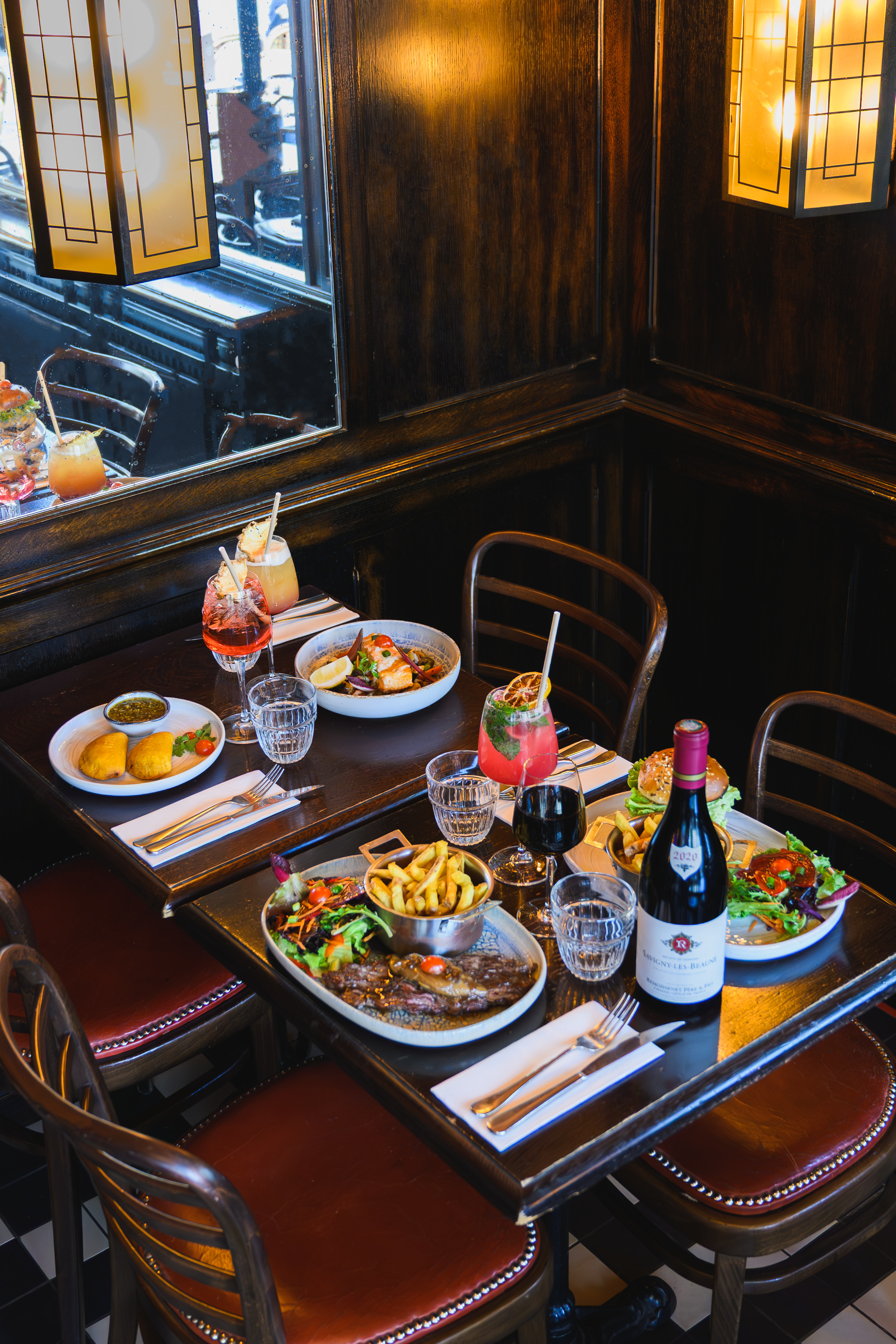
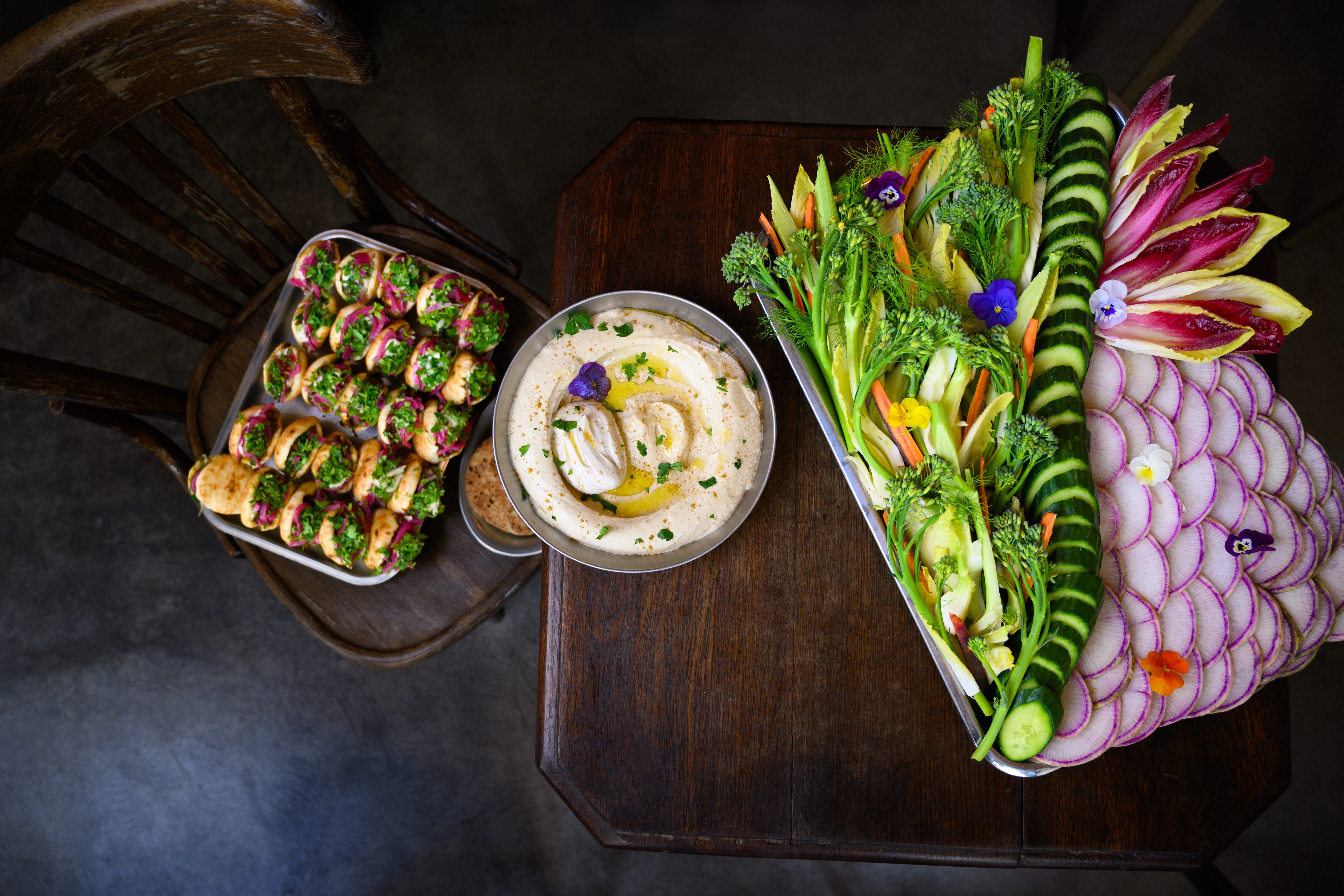
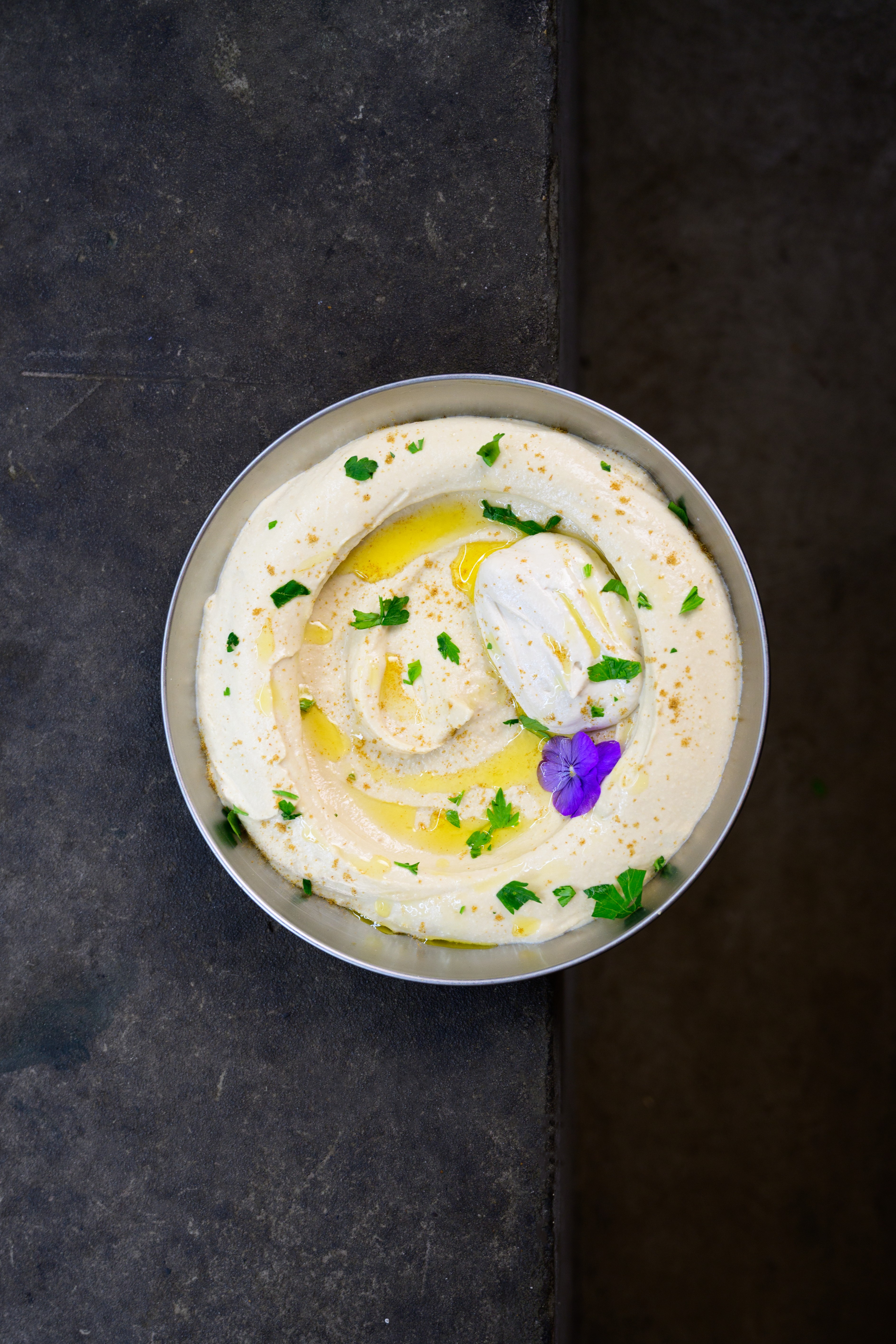
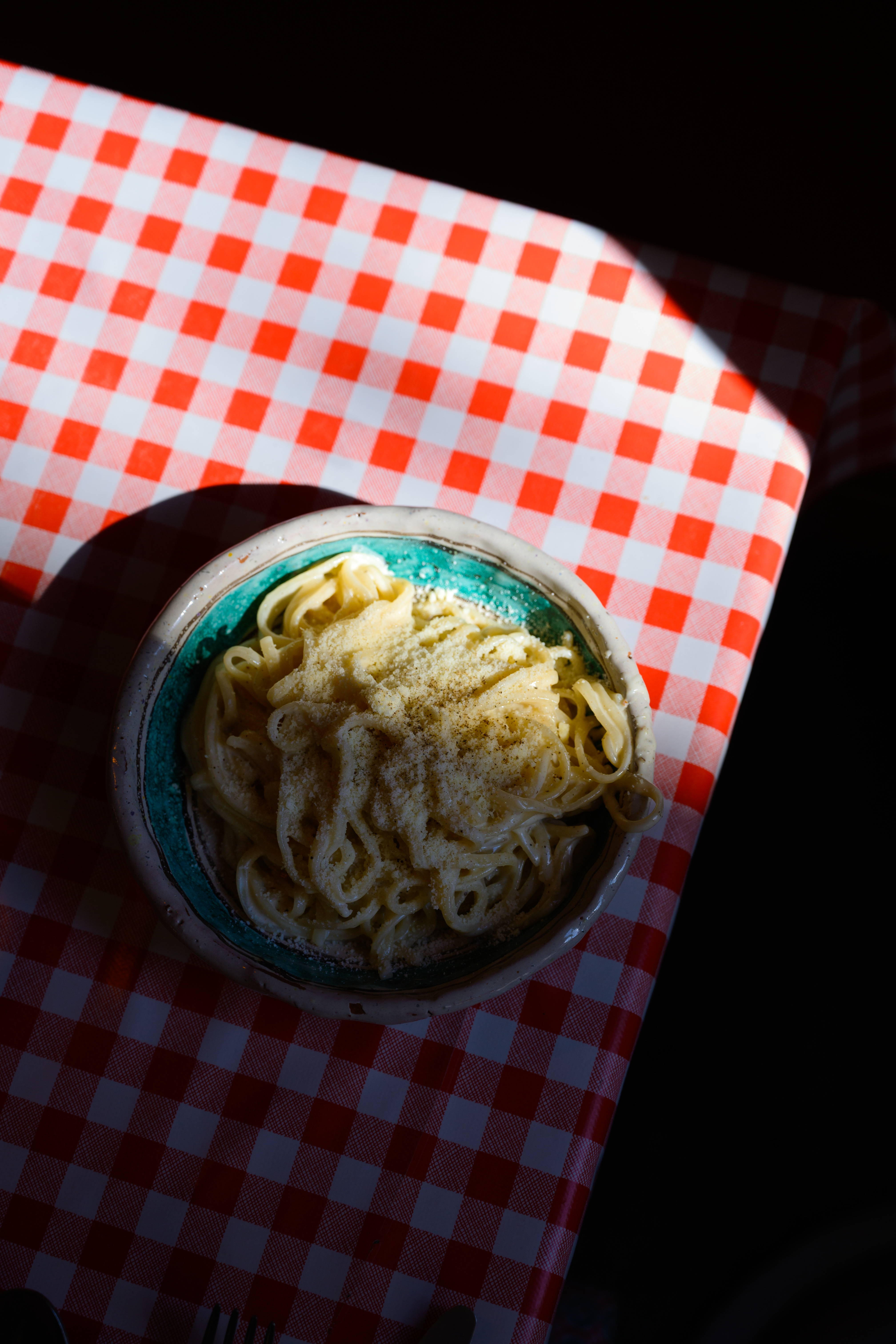
Beautiful food and hospitality imagery matters, but the strongest visual asset is one that loads quickly and supports the decision on the smallest screen.
Answer objections before they become exits
A guest may wonder whether the room suits a date, whether the menu works for a group, or whether the experience feels formal. The website can answer through a mix of photography, concise copy and practical information.
Show enough of the room to set expectations. Describe the food in language a guest understands. Make price signals and menu structure easy to locate. If a policy matters—large groups, deposits or dietary requests—explain it before checkout.
Connect the website to the content journey
The website should continue the promise made on Instagram, Google or a press article. If social content feels energetic and intimate but the site feels generic, trust drops. A consistent content and messaging system makes the transition feel natural.
Use dedicated paths when useful. A post about a new dinner menu can link to that menu rather than the top of the homepage. A campaign for private events can lead to a focused section with capacity, atmosphere and contact details.
Measure the steps that matter
Website traffic alone does not explain whether the site is helping the restaurant. Track the journey: landing page, menu view, booking click and completed reservation when the booking platform makes that possible.
Compare by device, source and page. If mobile guests reach the menu but rarely reach booking, the friction may be in layout or navigation. If a campaign brings qualified visits but no action, the promise and the landing page may not match. Performance analysis helps identify the exact step to improve.
The restaurant website checklist
- A clear value proposition and location.
- One dominant reservation action.
- Current menus, hours and contact details.
- Fast, responsive imagery.
- Consistent language from social post to landing page.
- Measurement of booking intent, not just page views.
A restaurant website should be attractive, but its real role is simpler: make the next visit feel easy to imagine and easy to book.
Need a website story built to convert attention? Bistrot Bastards improves the path from AI discovery to an availability check, direct booking or qualified enquiry.