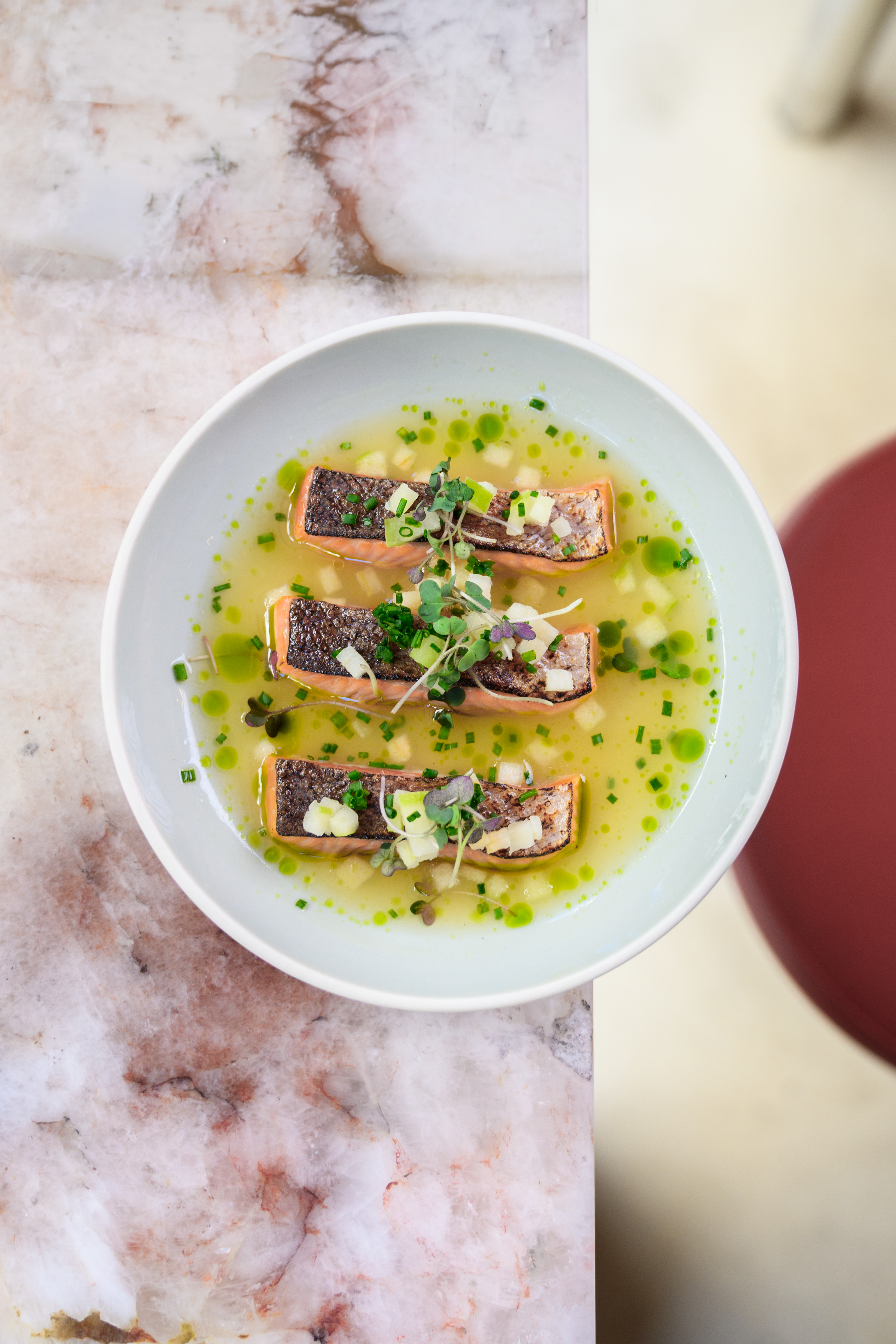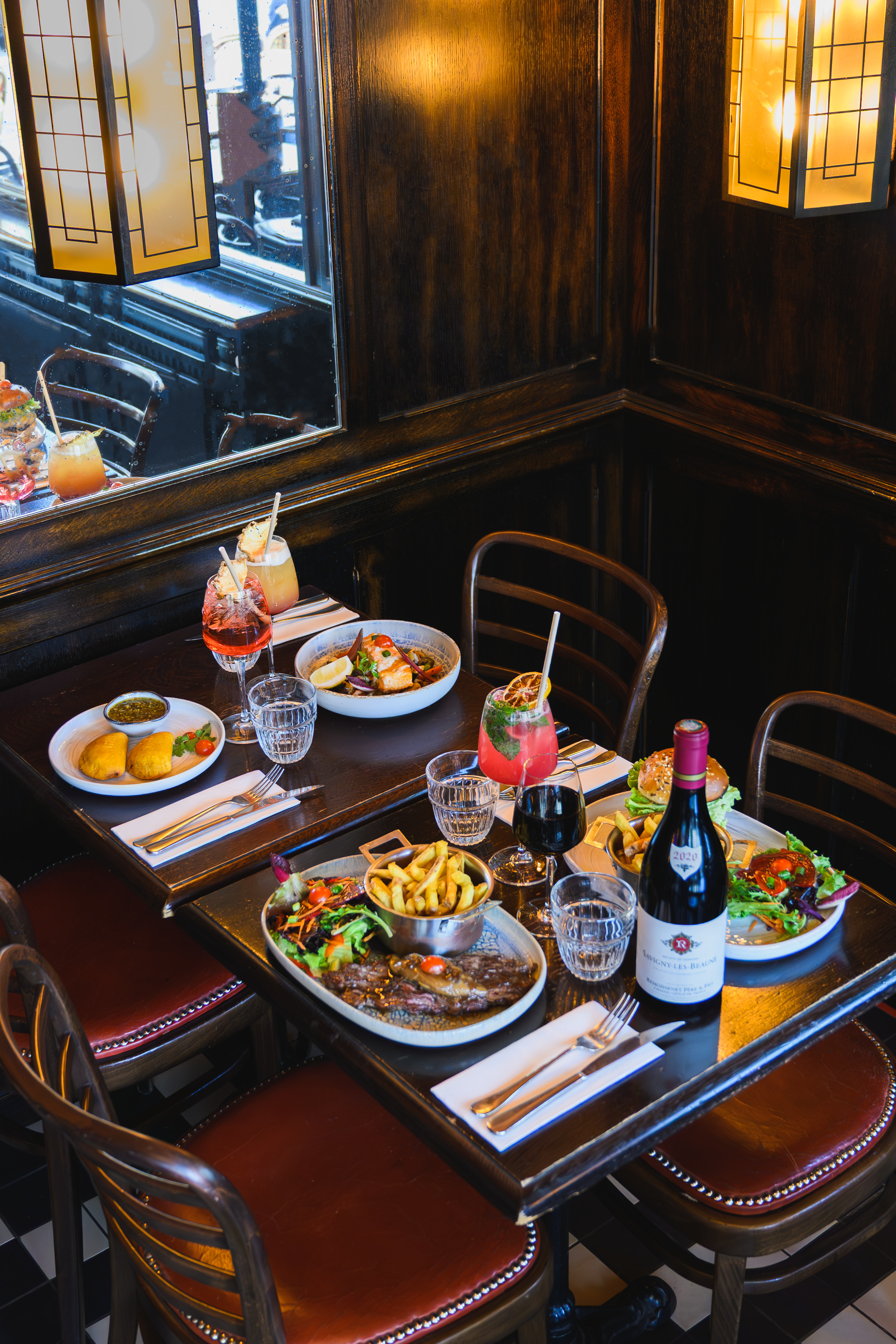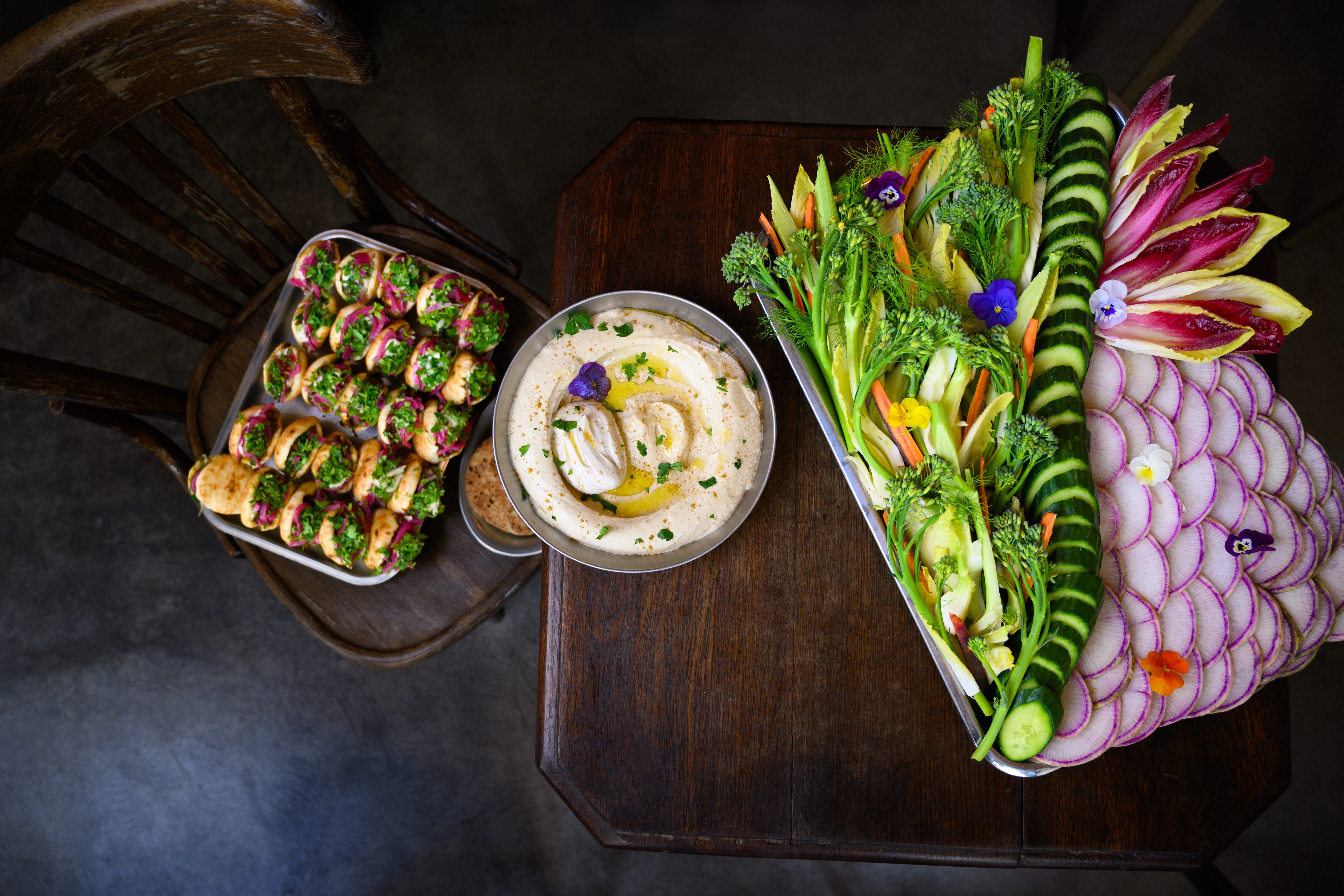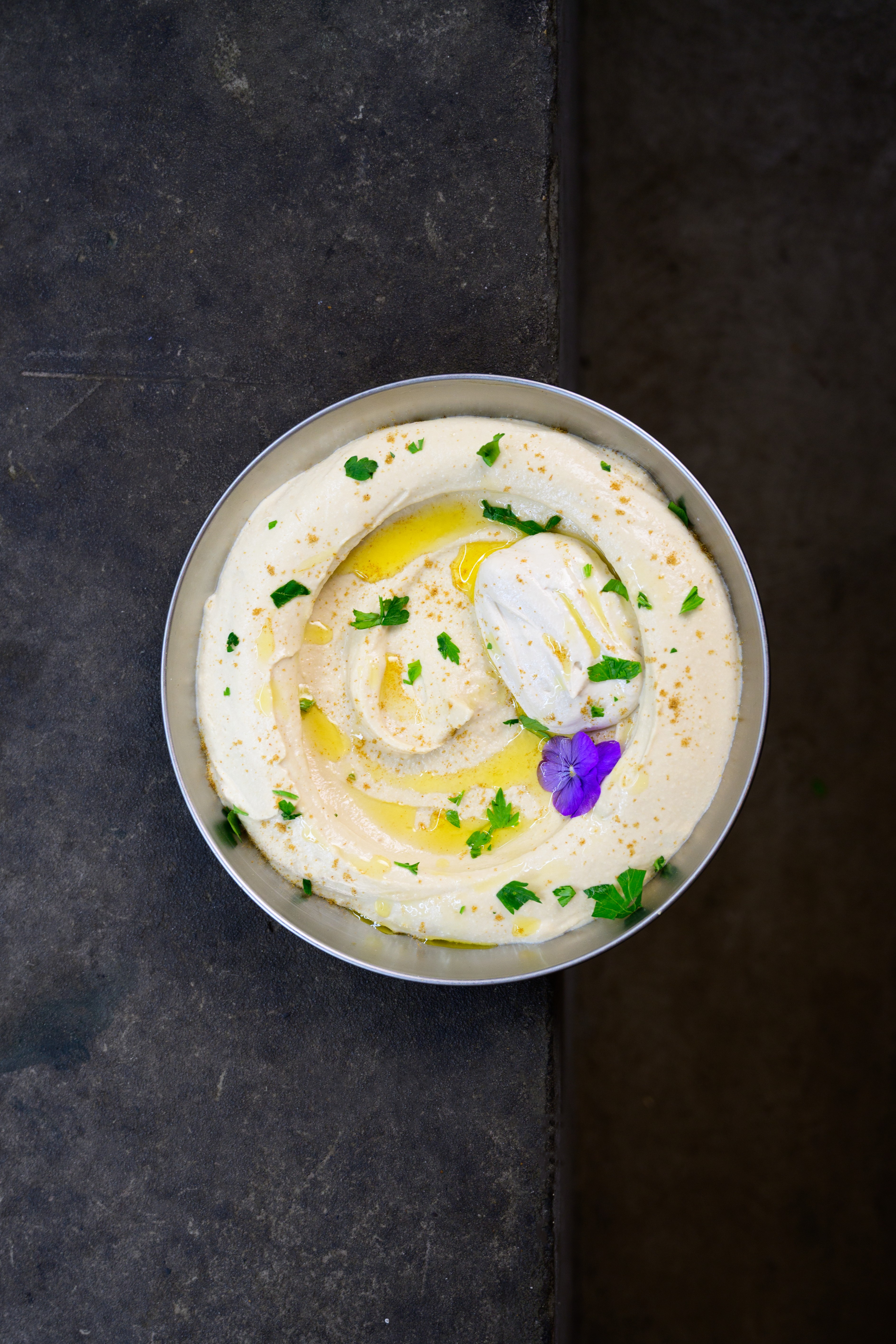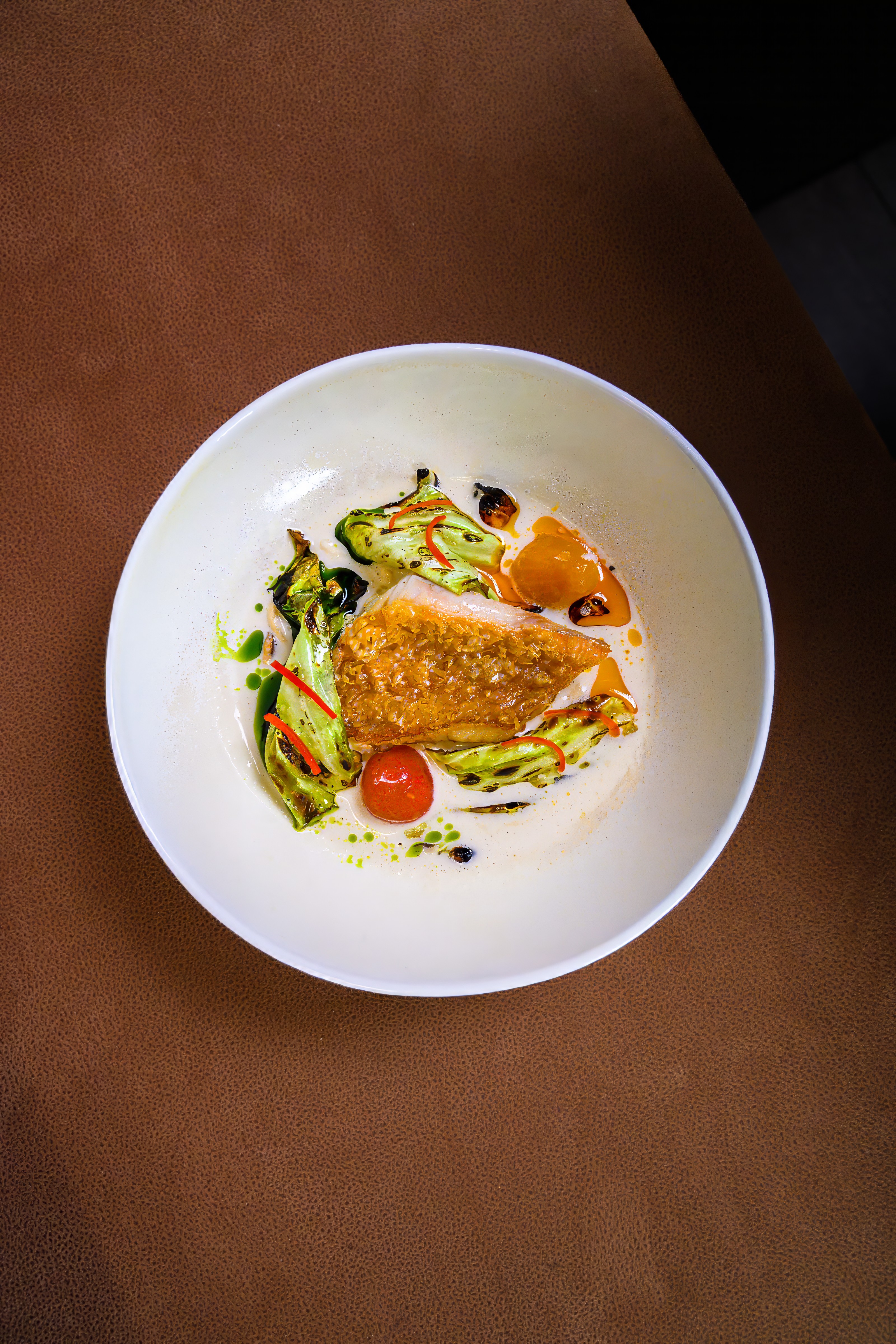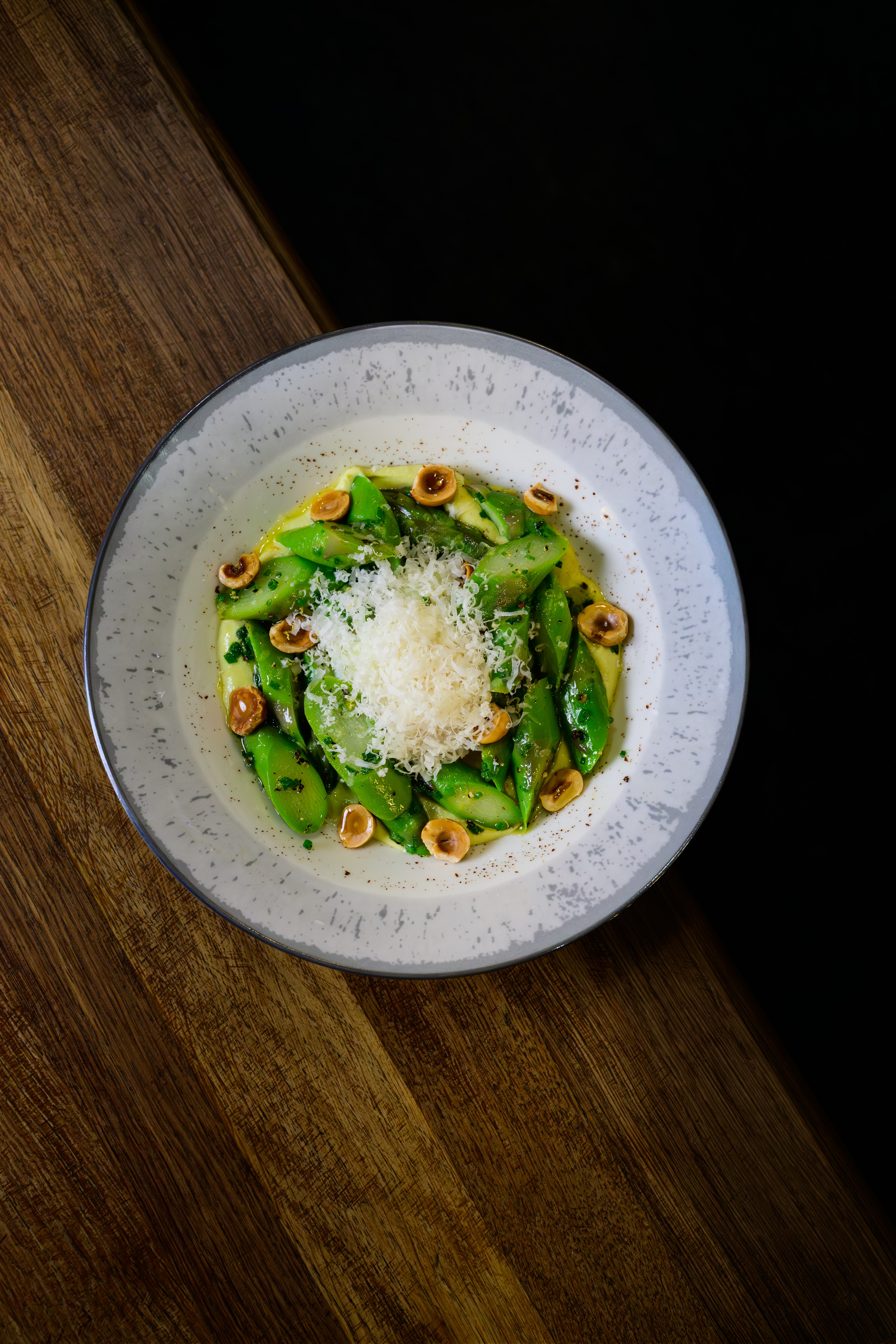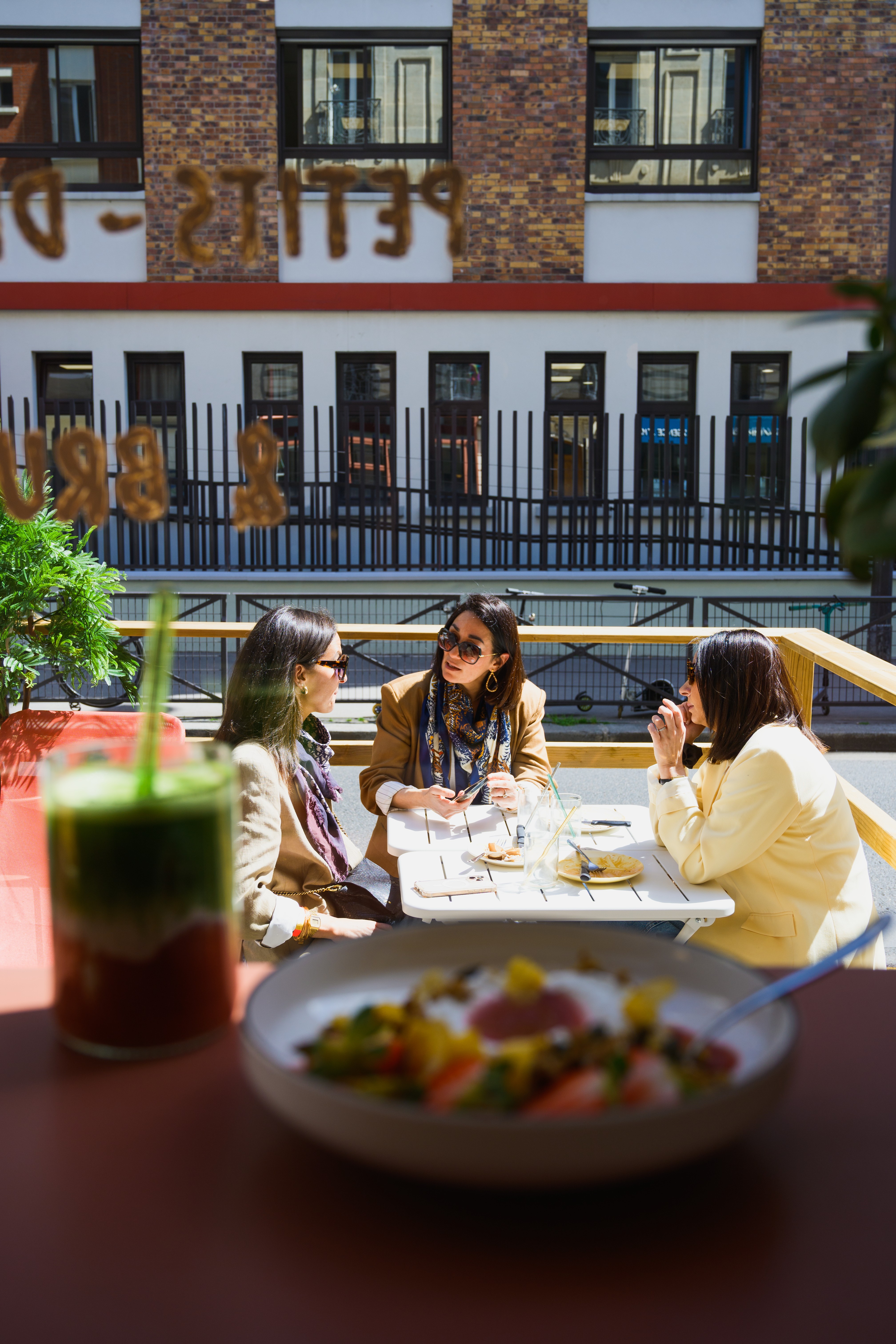
Imagine a hospitality group with six venues: two established restaurants, a new neighborhood concept, a rooftop, a bakery and a bar. Each team needs content, every opening creates urgency and the central marketing team spends more time chasing assets than shaping the brand. The group is fictional, but the operating problem is familiar.
Restaurant groups do not simply need more production. They need a content system that preserves the character of each venue while making planning, approval, distribution and measurement easier across the portfolio.
Consistency is not sameness
A shared logo position, preset and caption template can make production faster, but it can also erase the reasons each concept exists. Group-level consistency should live in standards: quality, strategic clarity, file organization, measurement and the principles behind the guest experience.
Venue-level distinction should live in the story: audience, cuisine, atmosphere, team, neighborhood and commercial priorities. The operating system stays consistent while the creative expression changes.
Give every brand a precise role in the portfolio
Before planning content, define what each venue contributes. One may drive prestige, another weekday volume, another private events, another geographic expansion. Without that portfolio view, teams chase the same broad audience and copy each other’s campaigns.
A simple brand sheet should state:
- the venue’s specific proposition;
- priority guests and occasions;
- visual and verbal signals;
- commercial priorities by daypart;
- what must remain unique;
- what can be shared across the group.
This becomes the foundation of an original content system rather than another static brand manual.
Build production around modules
One production day can generate more value when the shot plan is modular. Capture the core brand story, then build smaller assets around menu, people, room, process and practical information.
For example, a venue launch might require:
- one cinematic hero film;
- short sequences for specific dishes and service moments;
- portraits and interview material;
- vertical assets for social distribution;
- evergreen photography for website, PR and listings;
- clear operational assets for menus, hours and booking.
Purposeful restaurant production reduces repeated shoots while giving each channel the format it actually needs.
Create one asset library the teams can use
Content loses value when nobody can find the approved version. Organize assets by brand, location, campaign, usage rights, format and expiration date. Keep masters separate from platform exports and make approval status obvious.
The goal is not a complicated digital archive. It is a library where a marketing manager can answer three questions quickly: Can this be used? Where should it be used? What story was it designed to tell?
Centralize strategy and decentralize local proof
The central team should own positioning, production standards, campaign architecture and measurement. Local operators should contribute the details that make content credible: service changes, regular guests, neighborhood events, menu knowledge and operational reality.
Use a simple intake rhythm rather than constant messaging. Each venue reports upcoming changes, commercial needs and story material. The central team turns those inputs into priorities and briefs.
Design approvals before production begins
Approval bottlenecks often come from unclear ownership. Decide who approves brand, commercial information, culinary accuracy and legal usage. Give each person a defined review window and avoid reopening decisions that were already resolved in the brief.
A useful rule is that feedback must connect to the objective or a factual issue. Personal preferences can be discussed during direction, but they should not endlessly reshape finished work.
Use data without forcing every venue into one benchmark
A rooftop, bakery and tasting-menu restaurant should not be judged by the same conversion path. Define shared measurement principles, then choose venue-specific actions.
The group can compare:
- content output and asset reuse;
- qualified reach by target audience;
- menu views and booking clicks;
- private-event enquiries;
- performance by daypart and campaign;
- creative themes that work across more than one concept.
Portfolio performance analysis should identify transferable learning without pretending the brands are interchangeable.
Plan campaigns at three levels
A scalable calendar works best with three layers:
- Group layer: reputation, talent, expansion, partnerships and shared standards.
- Brand layer: proposition, menu, creative world and recurring occasions.
- Location layer: neighborhood relevance, service changes and local activation.
Not every story belongs on every account. Distribution should follow the audience and commercial purpose rather than an obligation to repost everything.
A 90-day group content pilot
- Select two contrasting venues rather than the entire portfolio.
- Define one commercial priority for each.
- Create the shared operating rules and venue-specific briefs.
- Produce a modular asset library.
- Run campaigns with clear booking paths.
- Review results, approval time and asset reuse after thirty days.
- Refine the system before expanding to more locations.
Scaling content does not mean turning restaurants into identical units. It means building enough structure that every venue can express what makes it distinct without reinventing the process each week.
Want a content system that grows with the portfolio? Bistrot Bastards supports hospitality portfolios with premium visual production and specialist AI visibility execution.