Imagine a beautifully designed boutique hotel in Roma Norte. Its rooms are photographed, its lobby has a clear identity and its restaurant serves an ambitious dinner menu. Yet local guests still describe the dining room as “the restaurant inside the hotel.” The hotel is fictional, but the branding problem is common.
A hotel restaurant cannot rely only on room occupancy. To become a destination, it needs enough independence to attract local diners while still strengthening the property around it. That balance begins with a clear restaurant brand.
A hotel name is not a restaurant proposition
The property brand can provide trust, design cues and an existing audience. It does not automatically explain why someone who is not staying overnight should book dinner.
The restaurant needs a specific promise: cuisine, atmosphere, price position, service style and reason to visit. A rooftop bar, breakfast room and chef-led dining room may all belong to one hotel, but they solve different occasions. Treating them as one generic “food and beverage offer” makes each harder to remember.
Build local demand beyond room guests
Hotel guests create useful baseline traffic, but local demand gives the restaurant its own energy and reputation. The content plan should therefore speak to several audiences without becoming fragmented:
- travelers choosing where to stay;
- nearby residents looking for dinner or drinks;
- business guests planning meetings and private dining;
- creators and media covering hospitality, food and design;
- existing hotel guests who need a clear reason to stay on property.
Each audience enters through a different question. A useful hospitality content strategy connects those questions to one recognizable point of view.
Give every outlet a distinct role
The breakfast room may prove generosity and operational quality. The bar may build cultural relevance and evening traffic. The restaurant may carry the chef story and the strongest average-check opportunity. Private dining may convert corporate and celebration demand.
Define the commercial role of each outlet before planning content. Otherwise the same beautiful lobby shot gets used everywhere while the actual dining reasons remain invisible.
Make the property and restaurant brands reinforce each other
Independence does not require separation. The best systems share selected visual codes, service values and tone while allowing the restaurant to express its own personality.
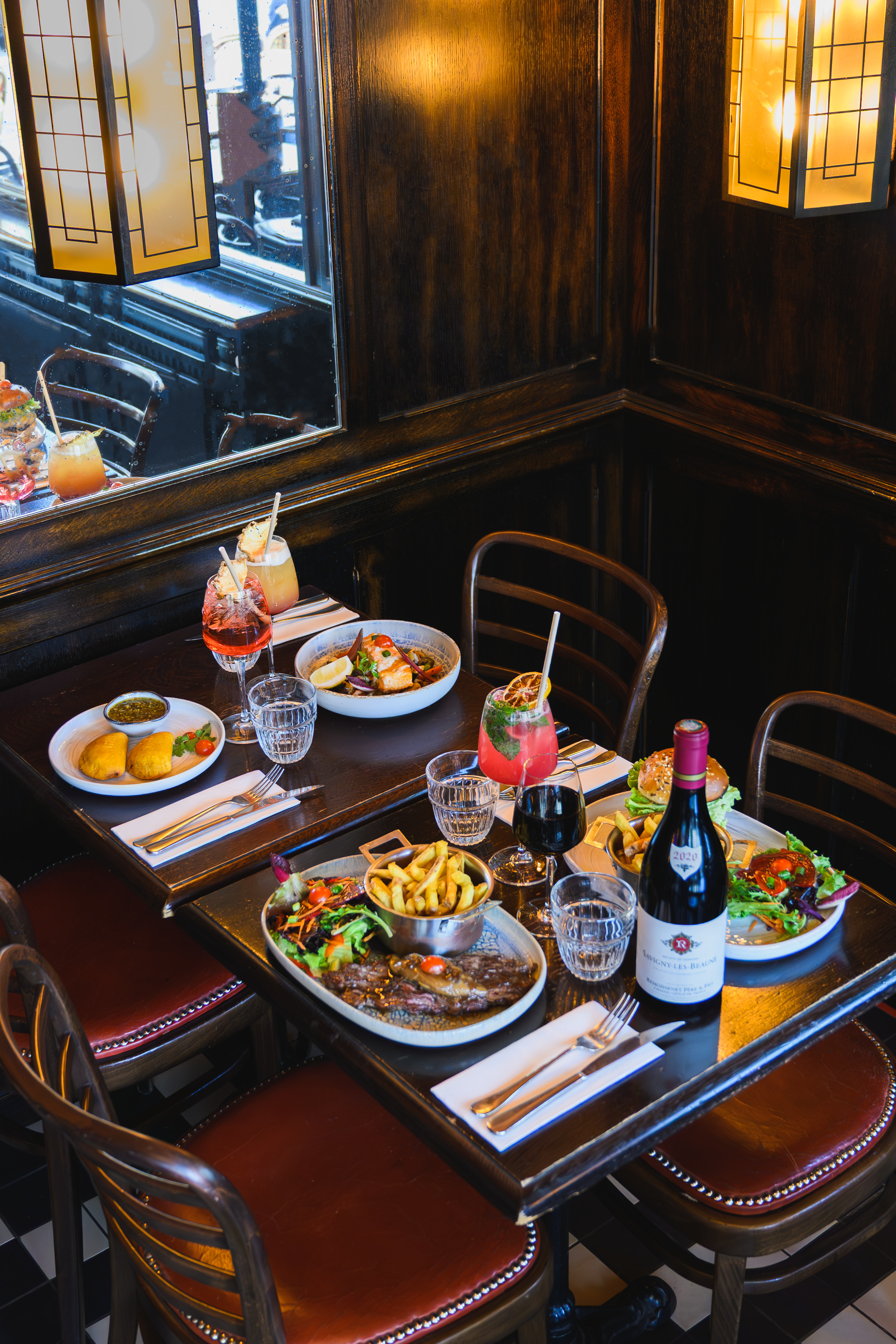
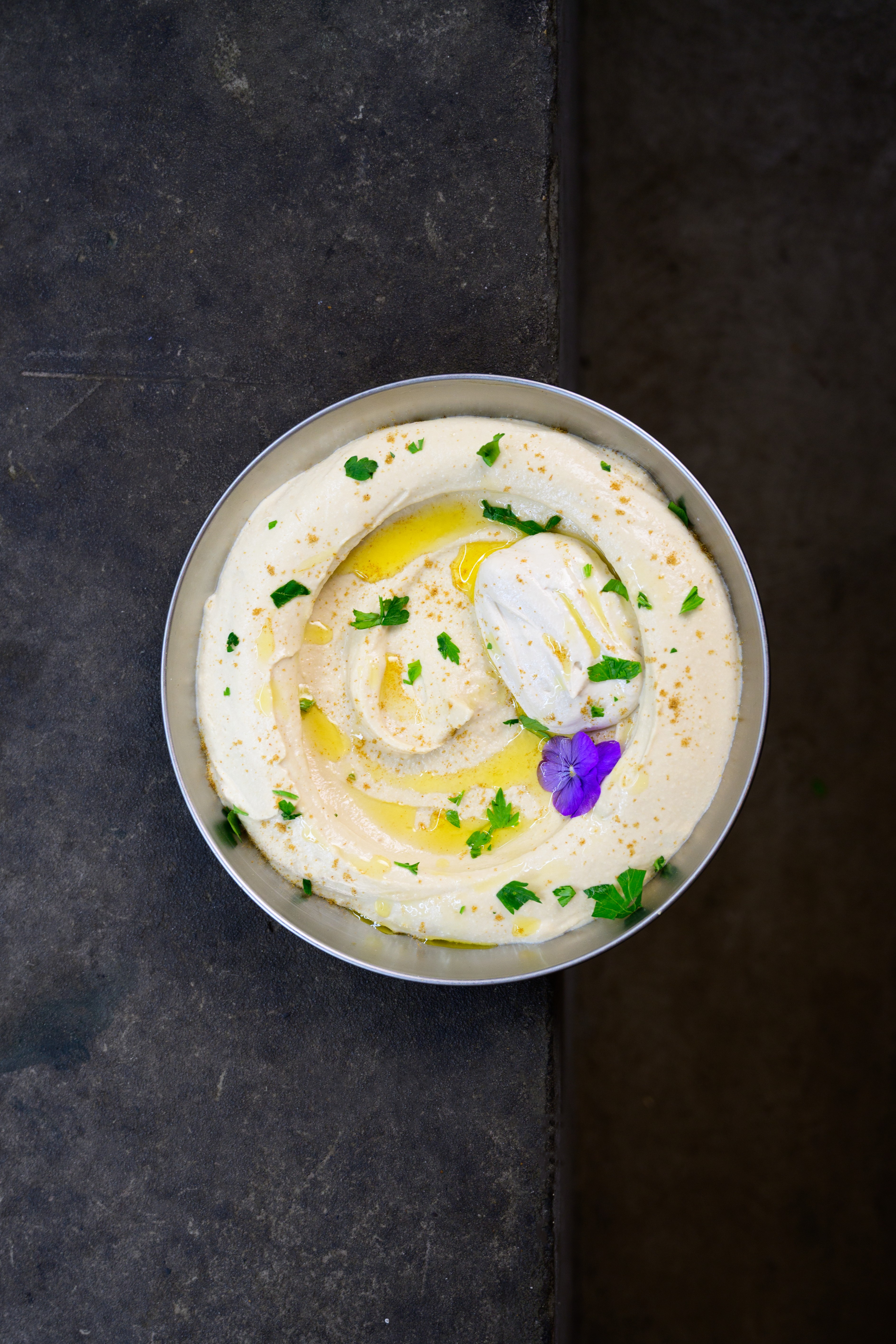
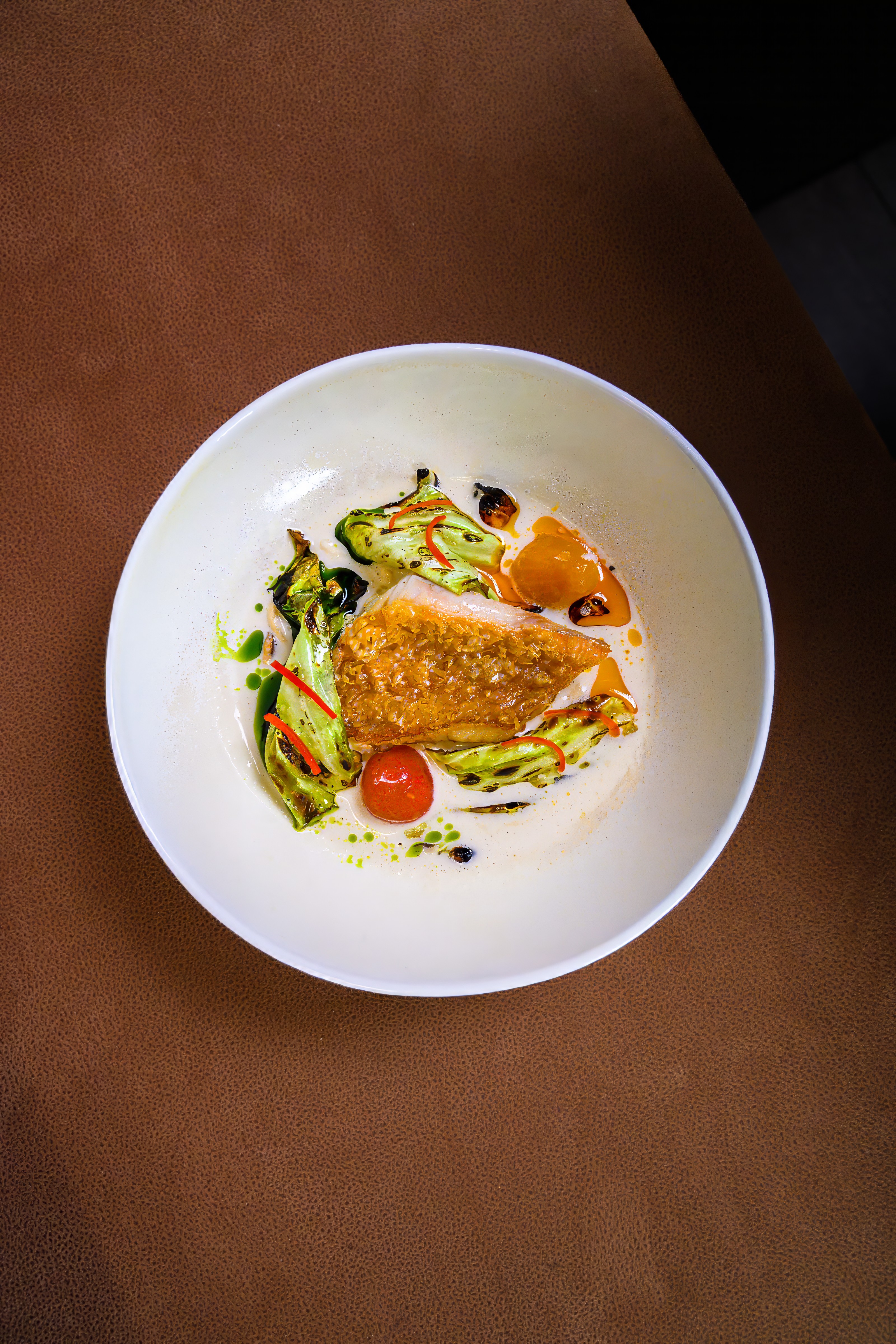
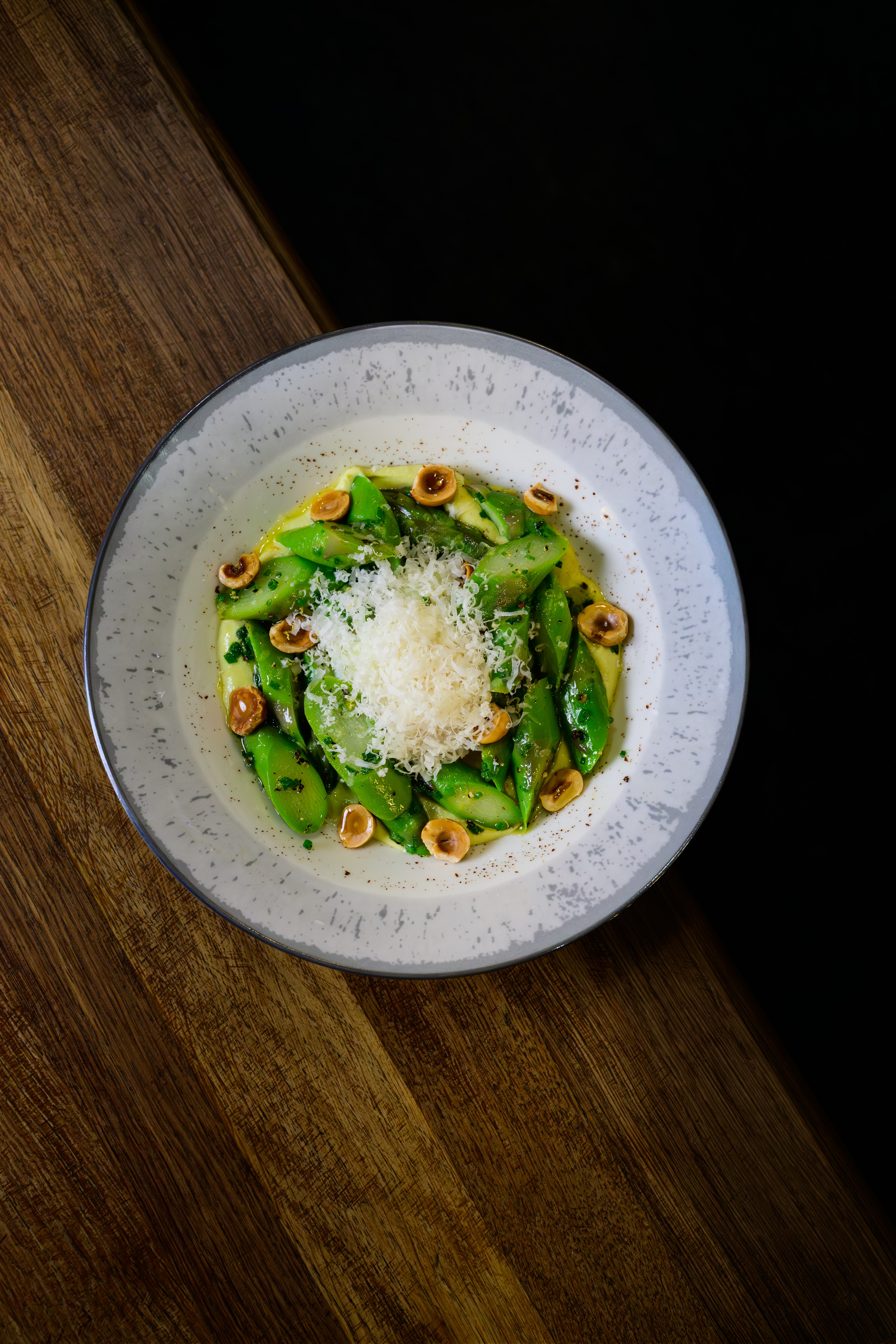
A coherent photo and video production can capture the full guest journey: arrival, room, neighborhood, aperitif, kitchen, dinner and late-night atmosphere. The assets should then be organized by outlet and commercial objective so teams can use them without flattening every experience into one hotel montage.
Turn the neighborhood into part of the story
Boutique hotels compete partly through place. Content should make the surrounding neighborhood legible: galleries, architecture, markets, walks, cultural events and the local rhythm around the property.
This helps travelers imagine a stay and gives local guests a reason to see the hotel as part of their city. It also creates stronger material for search and AI recommendations because the property becomes associated with specific experiences and locations rather than generic luxury language.
Create a destination page for each high-value experience
Do not hide the restaurant inside a general amenities page. Give it an indexable page with its own concept, menu, hours, location, chef context, imagery and booking path. Do the same for rooftop, private dining or wellness when they represent meaningful demand.
Consistent structured data, local profiles and social links help search systems understand the relationship between the hotel and its outlets. Clear pages also make PR and creator coverage easier to connect to the correct destination.
Use premium creators as audience bridges
The right creator can introduce a hotel restaurant to an audience that may never search for hotel dining directly. Relevance matters more than raw reach: local food, design, travel, wine and business communities can each support a different outlet or occasion.
Provide creators with a real story and a bookable next step. A beautiful visit without a current menu, clear reservation link or accurate location creates attention that cannot convert.
Measure the hotel and restaurant journeys separately
A restaurant campaign should not be judged only by hotel bookings, and a hotel campaign should not be judged only by dinner reservations. Track the relevant paths: restaurant page visits, menu views, reservation clicks, private-dining enquiries, room-package interest and cross-navigation between property experiences.
Hospitality performance analysis can show whether the restaurant attracts locals, supports room conversion or expands spend from existing guests. Those are different wins and deserve different creative responses.
A practical hotel restaurant brand checklist
- Define the restaurant’s proposition independently from the room product.
- Clarify the commercial role of every F&B outlet.
- Create dedicated pages, profiles and reservation paths.
- Build one asset library organized by outlet and objective.
- Tell a location-specific story that connects property and neighborhood.
- Select creators by audience fit and occasion.
- Measure restaurant demand and hotel demand without mixing them.
A hotel restaurant becomes a destination when local guests can describe why it matters without first explaining the hotel. The property supplies context; the restaurant must supply its own reason to book.
Want every outlet to carry its commercial weight? Bistrot Bastards gives hotel restaurants a distinctive visual signature and clearer visibility in AI recommendations.