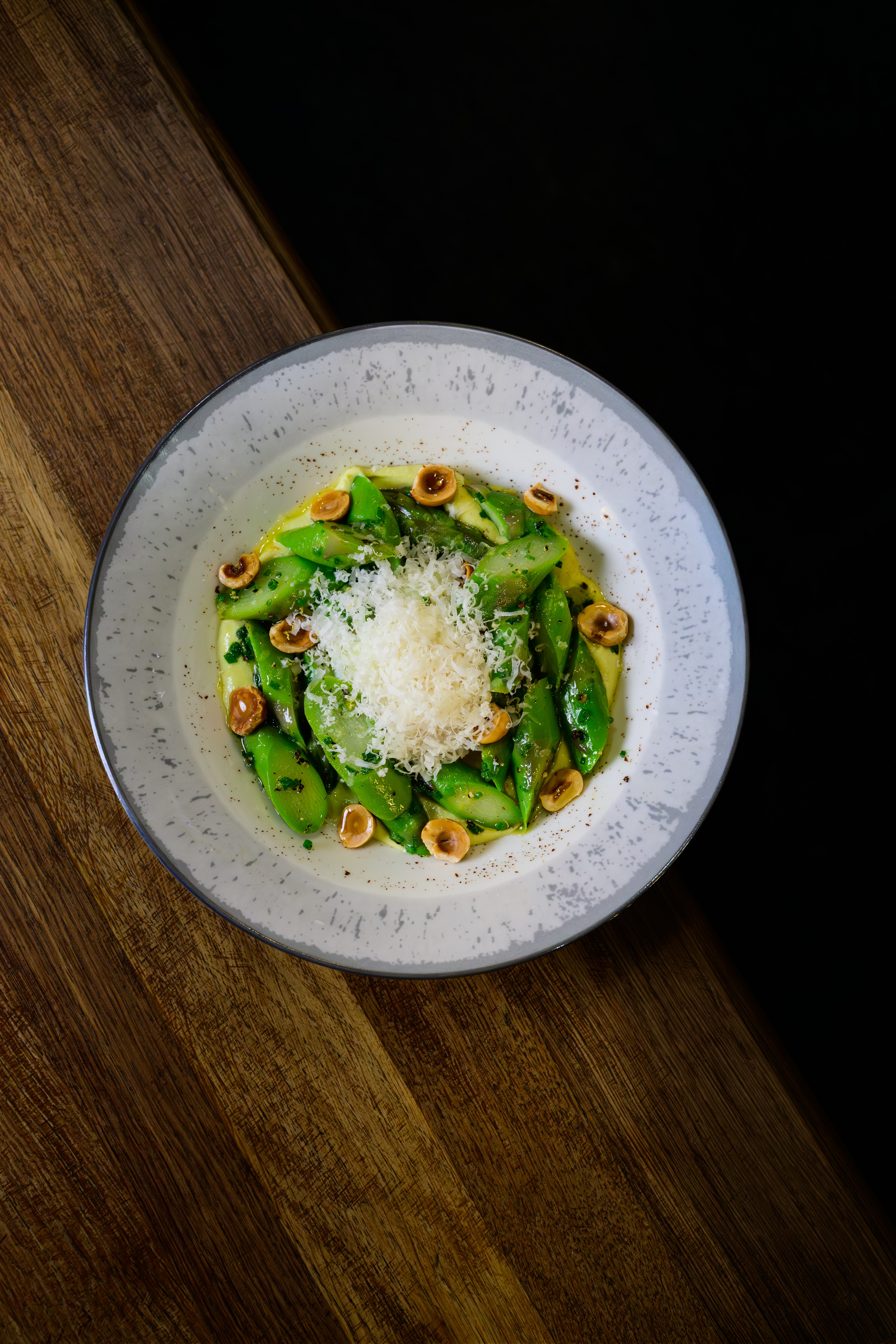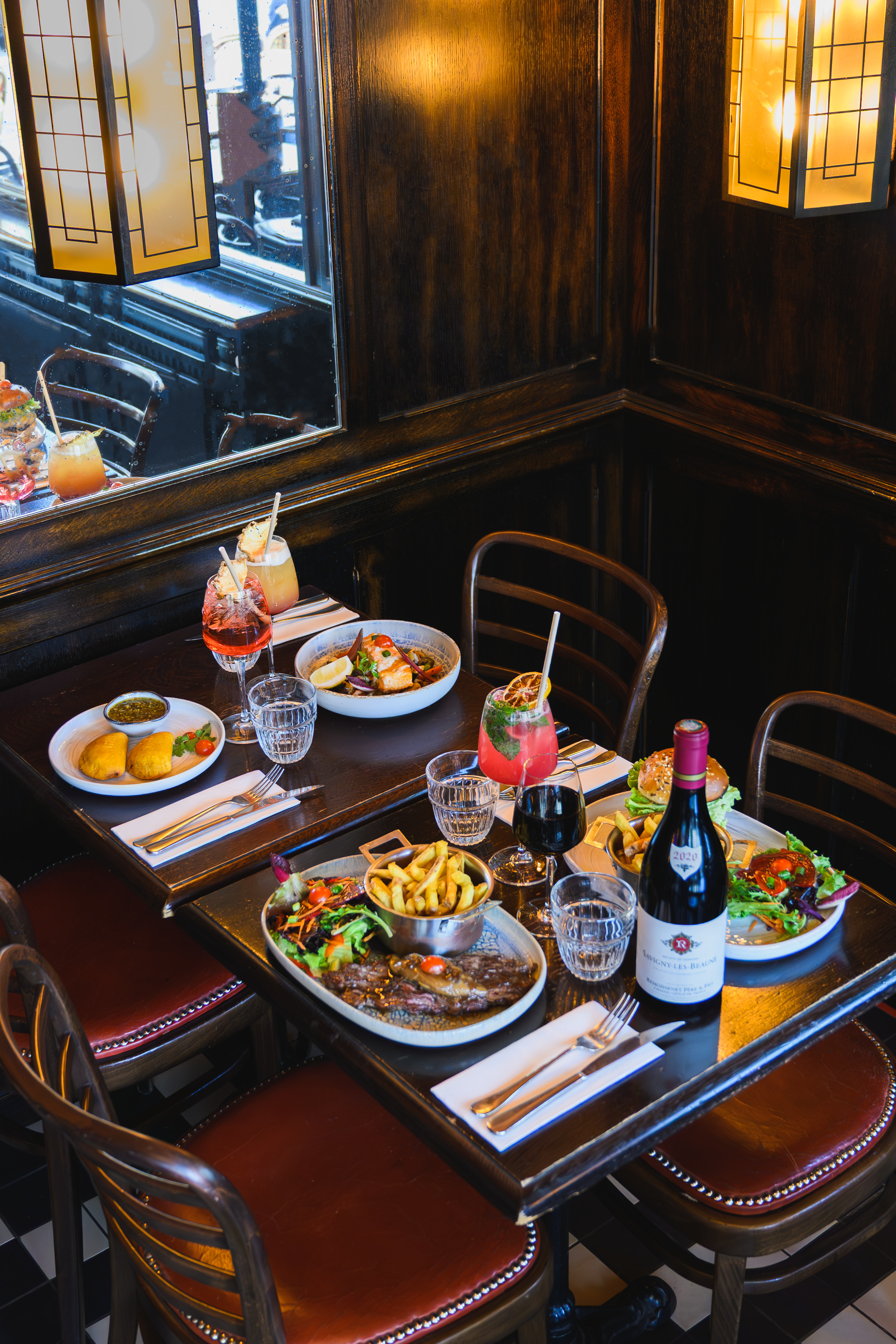
Imagine a restaurant with a strong chef, a distinctive room and an average check that reflects the full experience. Tuesday is quiet, so the obvious proposal appears: offer a discount. The restaurant is fictional, but the tension is real. A promotion may create short-term traffic while weakening the reasons guests accept the price in the first place.
Premium restaurant marketing should not hide price. It should make value visible. The objective is to help the right guest understand the occasion, craft and experience before reaching the reservation page.
Sell the reason, not the percentage
A discount answers “Why now?” but often fails to answer “Why here?” Premium demand grows when the restaurant communicates something specific enough to choose: a chef collaboration, seasonal menu, rare wine pairing, exceptional room, service ritual or point of view that cannot be compared line by line.
Start with the decision a guest is making. A business dinner, anniversary, visiting friend and spontaneous late-night table need different proof. Build campaigns around those occasions rather than one generic luxury message.
Make invisible value visible
Guests see the final plate, but much of the value sits behind it: sourcing, preparation time, team knowledge, design choices, cellar work and service. Content can reveal those layers without sounding defensive.
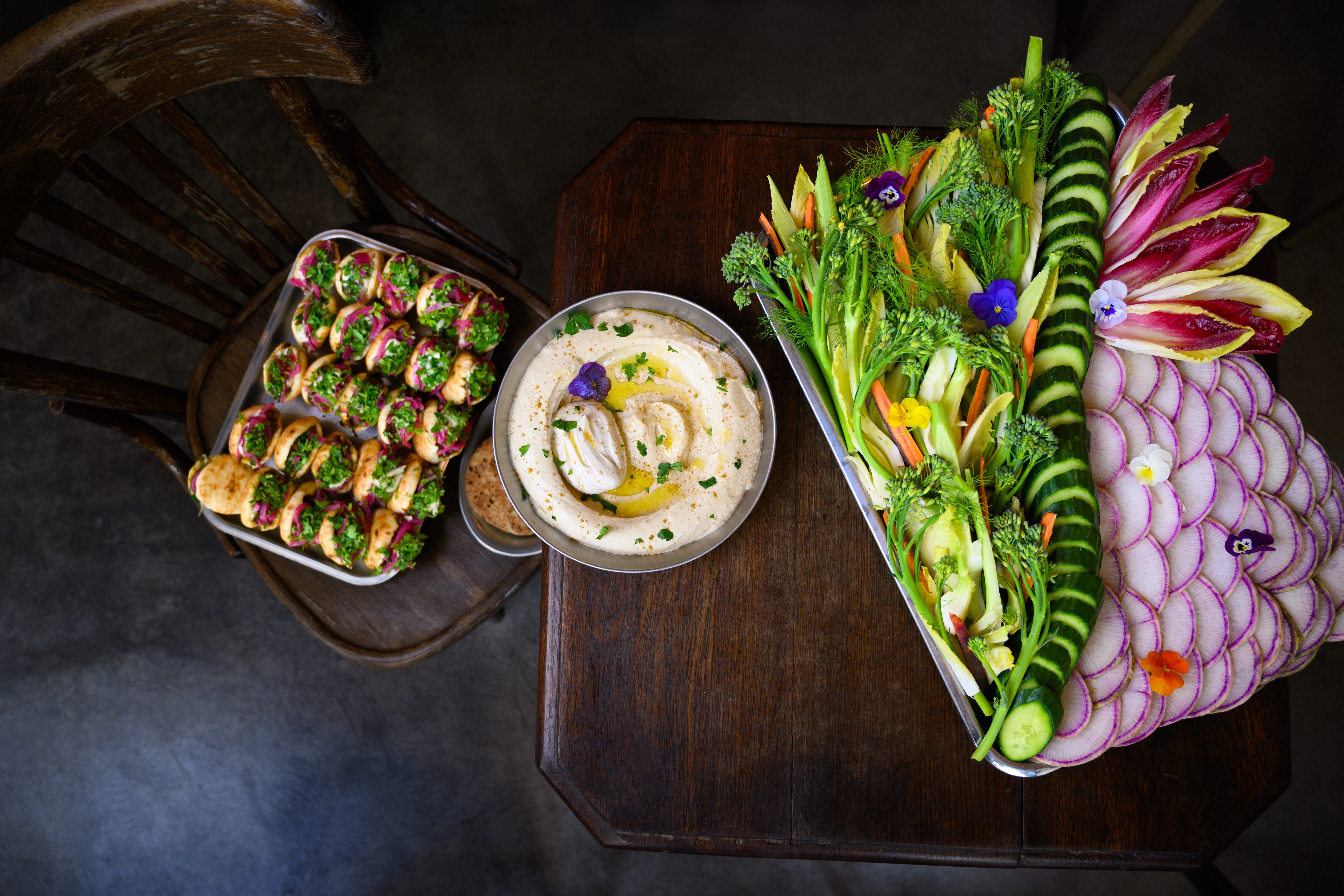
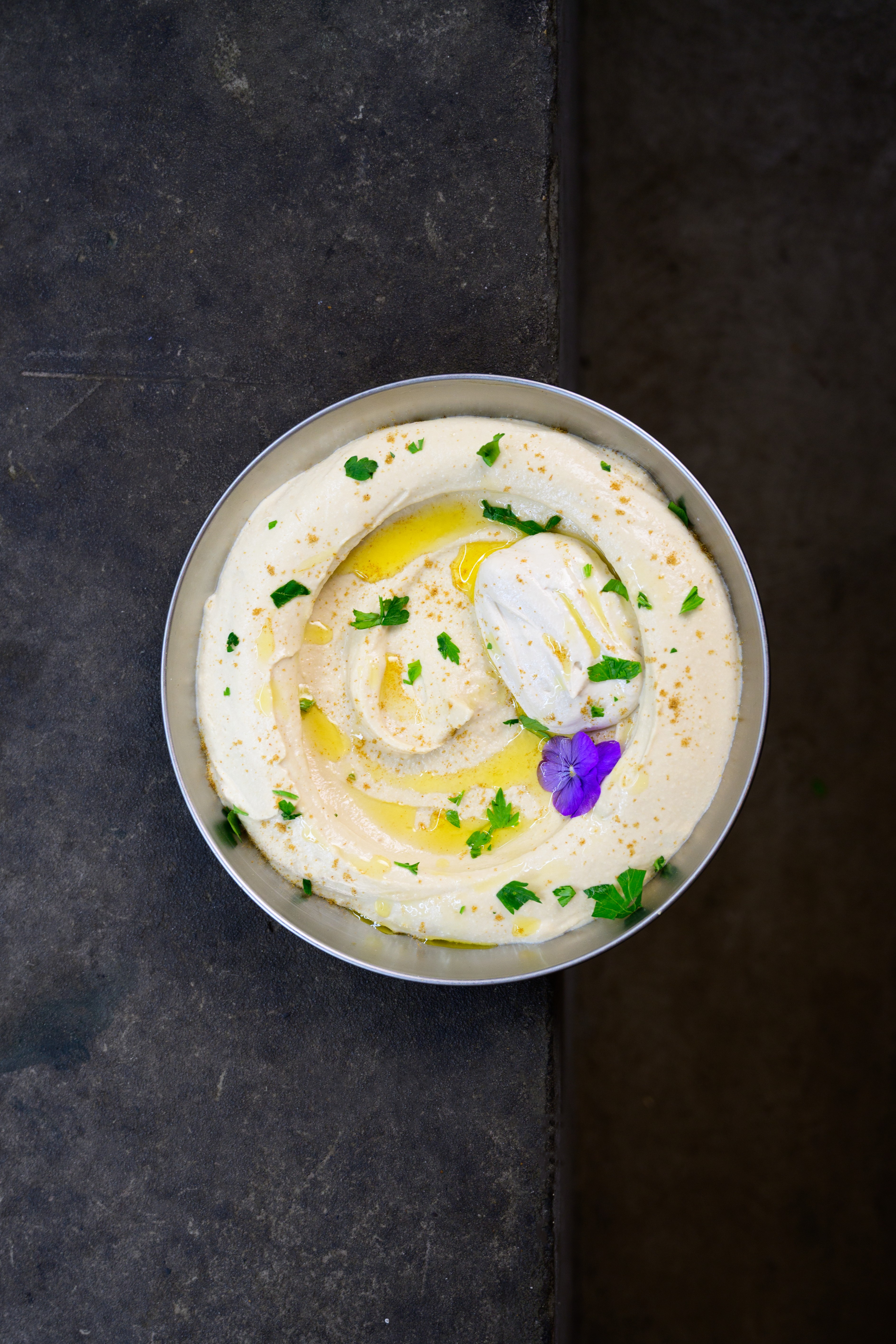
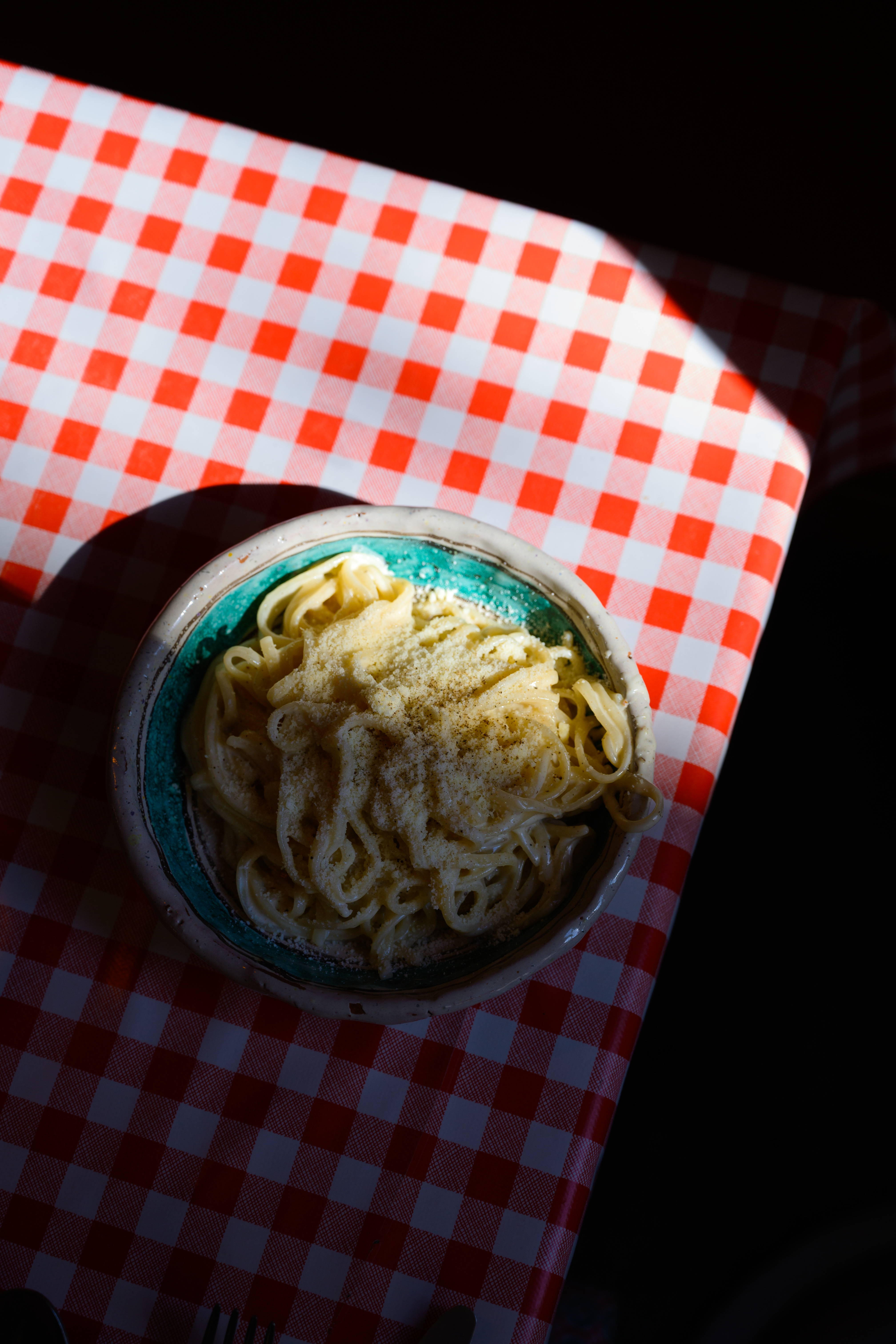
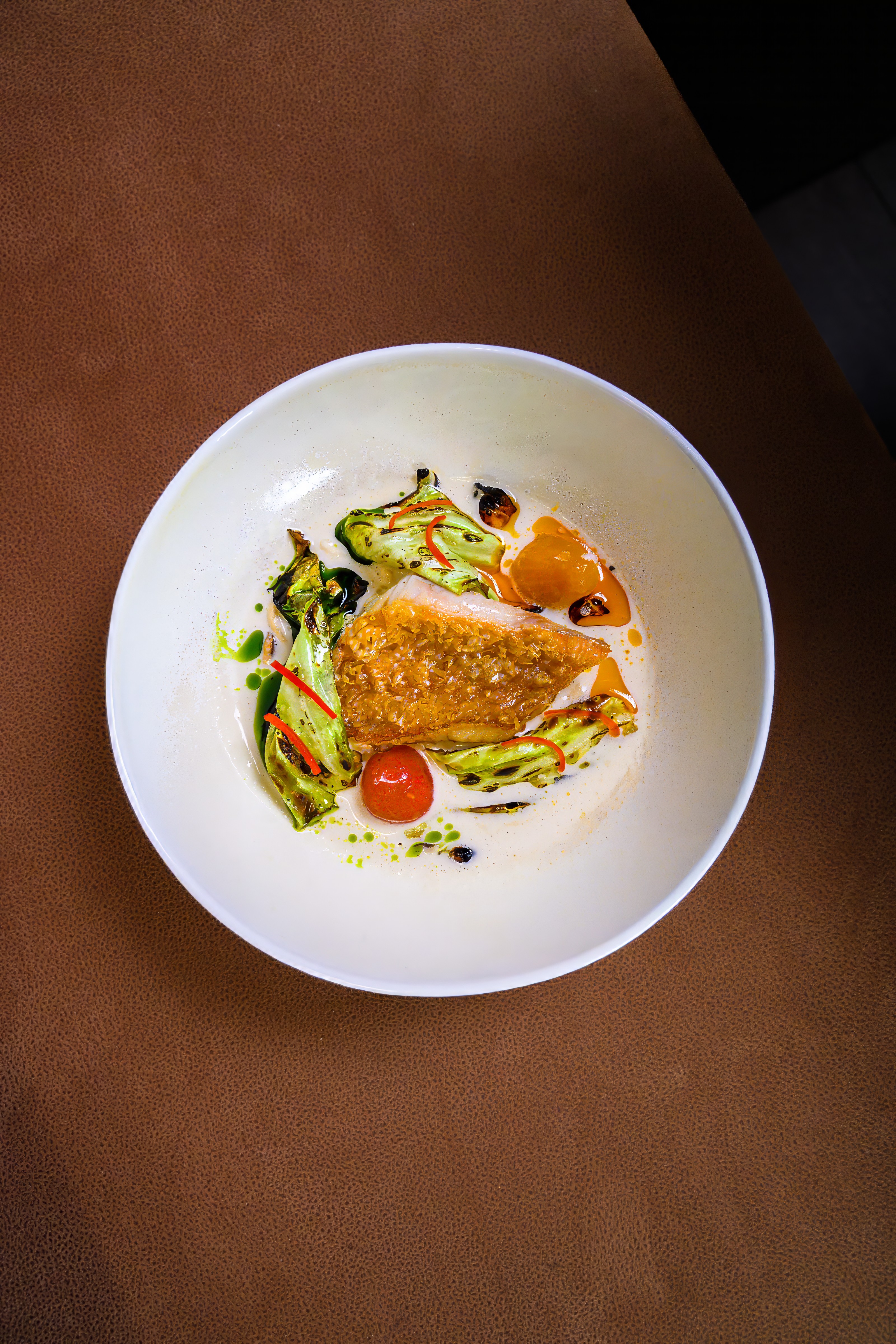
Show the detail that changes perception. A short film about fire and timing, a sommelier explaining one pairing, or a photo story following a product from delivery to service gives price a context. High-quality restaurant production is useful when it captures evidence, not simply polish.
Create scarcity from truth
Premium brands should not manufacture false urgency. Real constraints are usually enough: limited seats, one service, a short seasonal window, a visiting producer or a menu that requires advance preparation.
Communicate those constraints clearly and early. Guests respond better to a truthful reason for limited availability than to an endless countdown timer.
Use content to pre-qualify the guest
The wrong audience sees a high price and leaves. The right audience sees a specific experience and decides whether it fits the occasion. Clear imagery, menu context, atmosphere and service expectations perform that qualification before the booking.
This is why premium content can improve creator outreach. A design-focused, wine-focused or culinary audience may be more valuable than a much larger general audience. The restaurant does not need universal approval; it needs credible attention from people who understand what is being offered.
Give qualified creators something worth interpreting
Invite creators because their audience and editorial style match the experience. Provide a concise story, accurate information and access to a real detail—but avoid identical scripted captions.
A well-chosen local network shortens discovery, while a strong editorial content system gives each collaboration substance. The goal is not to collect posts. It is to build consistent third-party proof around the restaurant’s positioning.
Design a direct path from desire to reservation
Premium campaigns often lose demand through practical friction. The menu is outdated, the booking link opens the wrong service, policies appear too late or mobile pages load slowly.
Match every campaign to the correct destination. A tasting-menu story should lead to the tasting menu. A private-dining campaign should show capacity and an enquiry method. The fewer doubts left unresolved, the less pressure there is to use price as the final persuasion tool.
Replace broad promotions with valuable access
When the restaurant needs a reason to activate demand, consider access rather than discounts:
- an early look at a new menu;
- a producer or chef conversation;
- a limited pairing available on selected dates;
- a preferred table release for existing guests;
- a private event built around a genuine point of view.
These offers add meaning instead of reducing the perceived value of the core experience.
Measure whether the campaign attracts the intended behavior
Views cannot tell whether a campaign supported the restaurant. Track menu views, reservation-page sessions, completed bookings when available, party size, service selected and response to specific occasions.
Restaurant data analysis can compare channels and creative themes without pretending every booking has one simple cause. The useful question is whether the campaign moved qualified guests closer to the experience it presented.
A no-discount premium marketing plan
- Choose one underused service or high-value occasion.
- Identify the real value and constraint behind it.
- Produce evidence through people, process and atmosphere.
- Select audiences and creators by relevance.
- Send attention to a specific, current booking path.
- Measure intent and guest behavior.
- Repeat the story that attracts the right fit.
Premium restaurants do not need to pretend price is irrelevant. They need marketing that explains why the experience is worth choosing before a discount becomes the only argument.
Want to create demand without diluting the brand? Bistrot Bastards combines premium visual production with GEO to turn qualified attention into booking intent.