Imagine a 40-seat bistro in Roma Norte. The dining room looks beautiful on Friday night, its food photographs well, and its Instagram posts regularly earn attention. Yet Tuesday remains quiet. This restaurant is fictional, but the problem is familiar: visibility and demand are not the same thing.
A useful restaurant content strategy starts with a business question, not a posting calendar. Which service needs help? Which dish deserves more attention? What does a first-time guest need to see before booking? Once the objective is clear, every photo, reel and caption has a job.
Start with the empty table, not the camera
“We need more content” is too vague to guide creative work. A better brief might be: make the weekday lunch feel worth crossing the city for, explain why the tasting menu is different, or give nearby guests a reason to book on a rainy evening.
That brief determines the image, the format and the call to action. A cinematic kitchen sequence can build desire. A direct carousel can explain a menu. A short chef interview can create trust. The goal is not to publish everything; it is to publish the right proof for the decision a guest is making.
Build three content lanes
A balanced restaurant content plan usually needs three lanes:
- Desire: food, movement, atmosphere and the details that make someone want to be there.
- Trust: the team, sourcing, process and point of view behind the experience.
- Action: opening hours, menus, special services and a clear path to reserve.
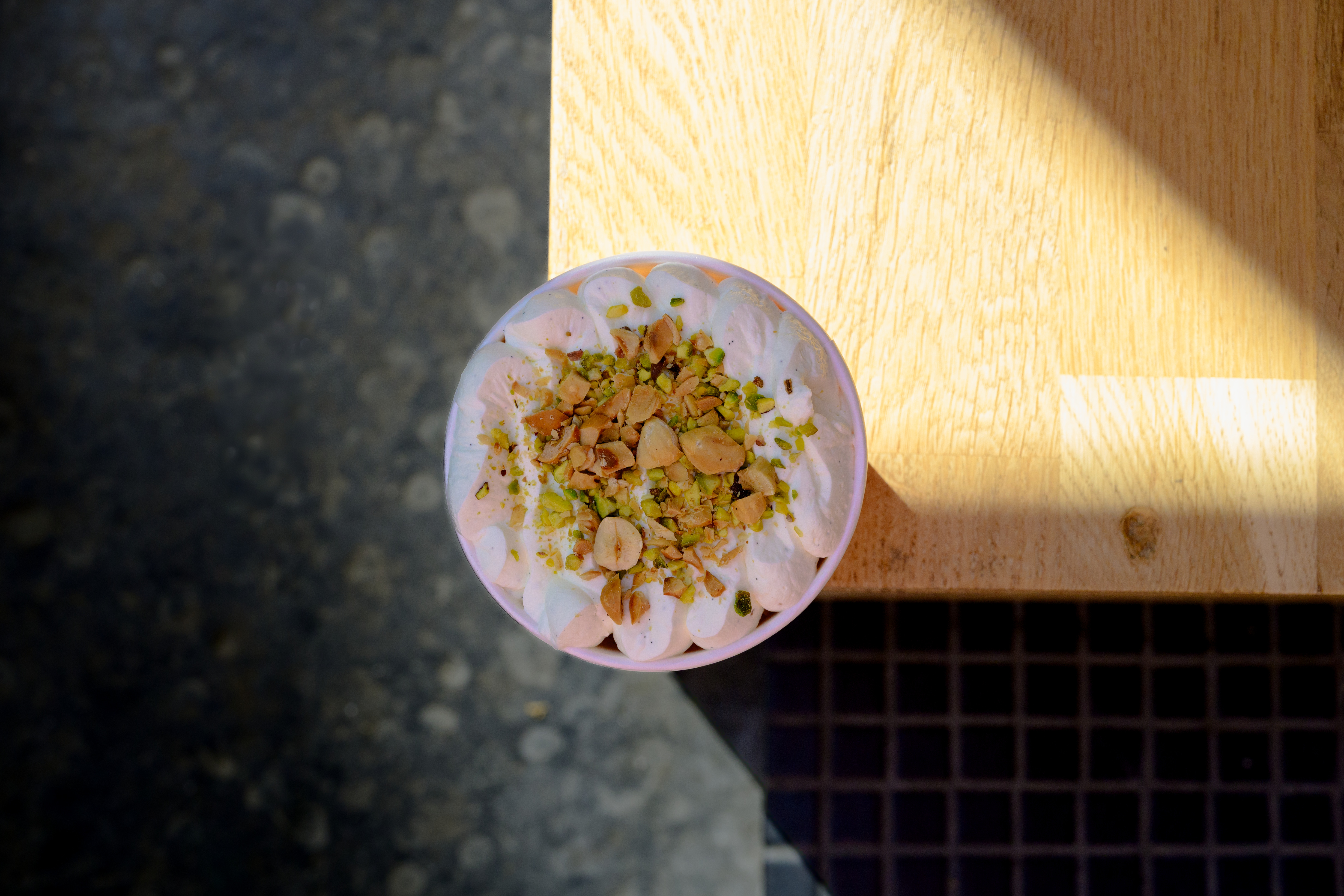
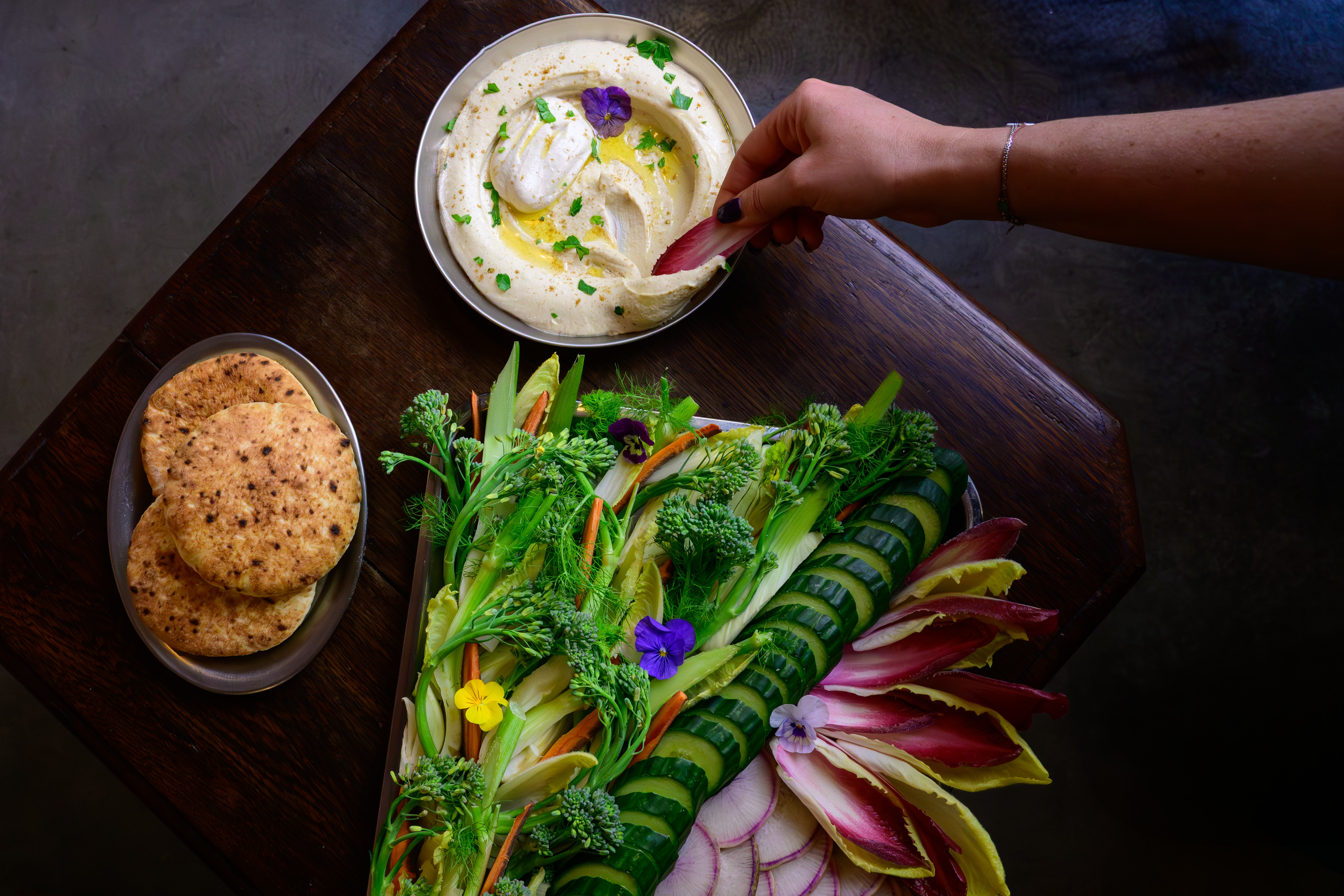
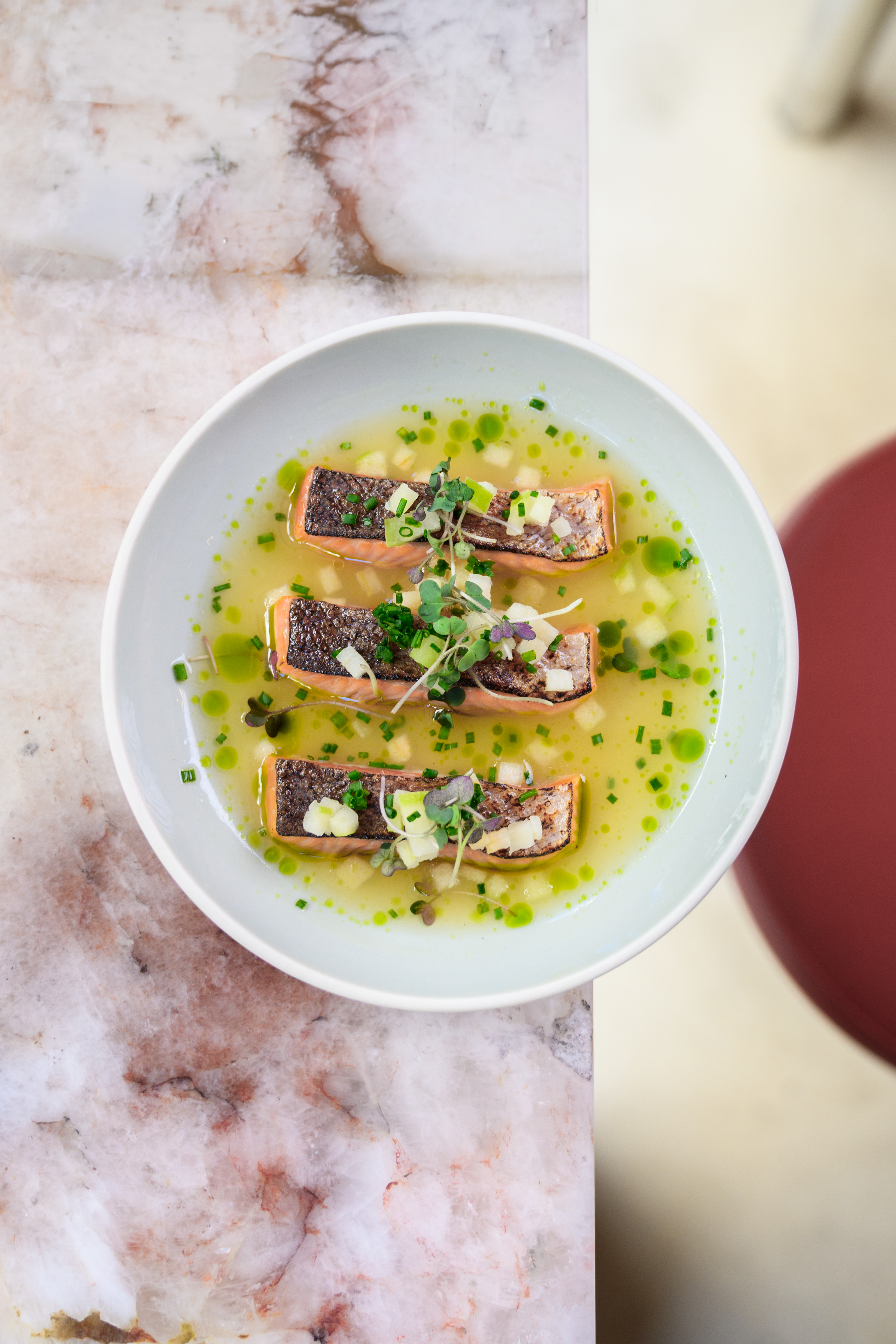
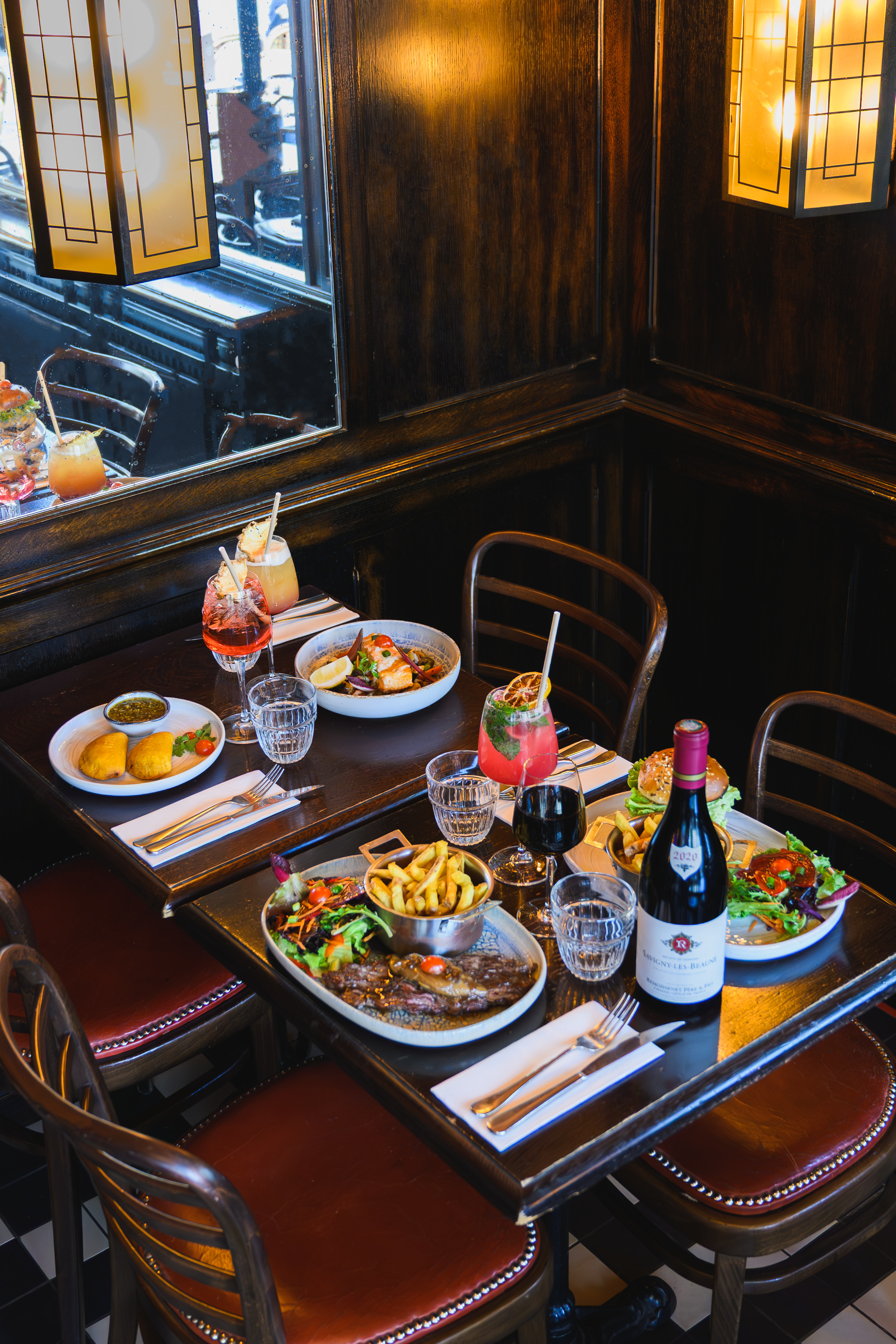
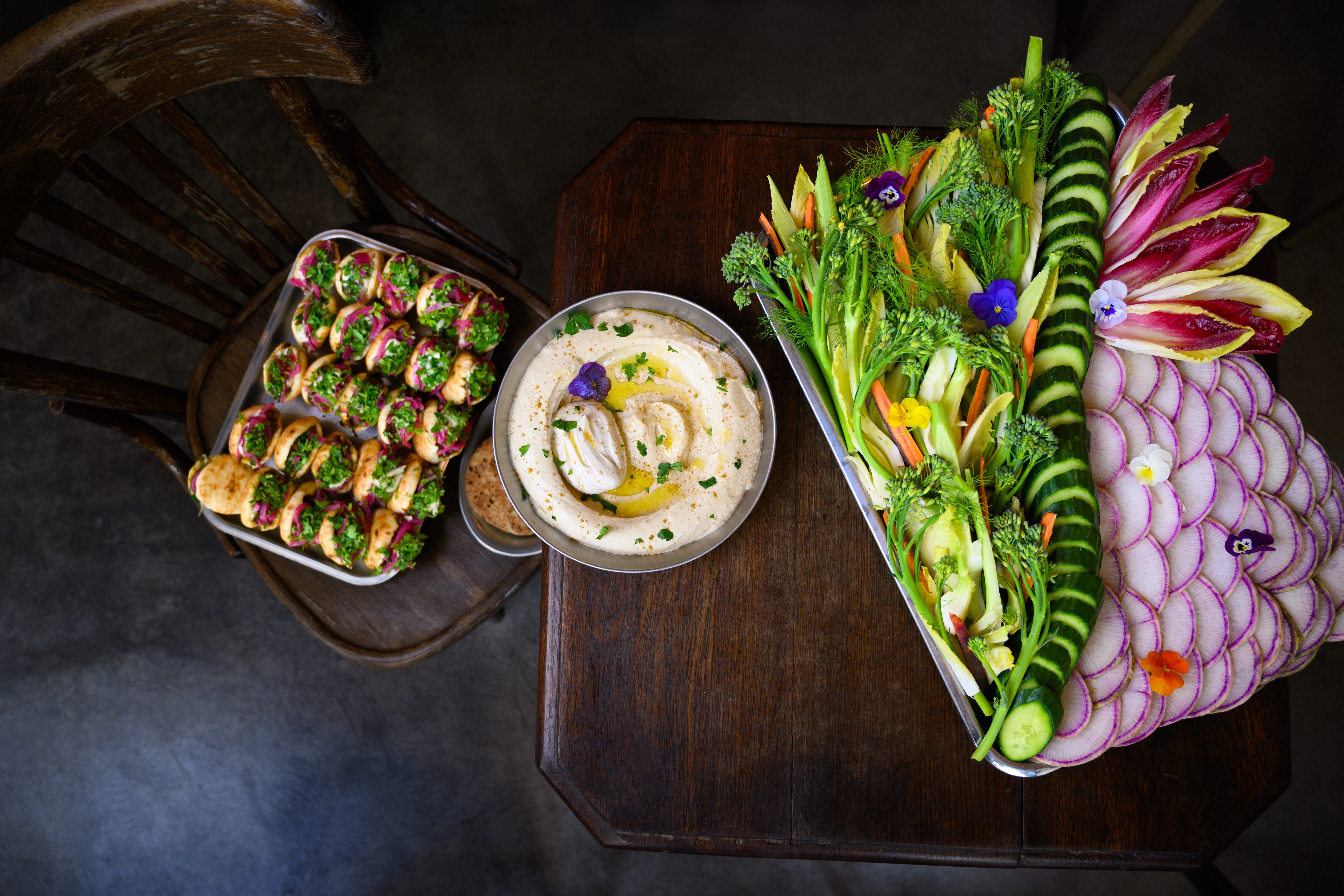
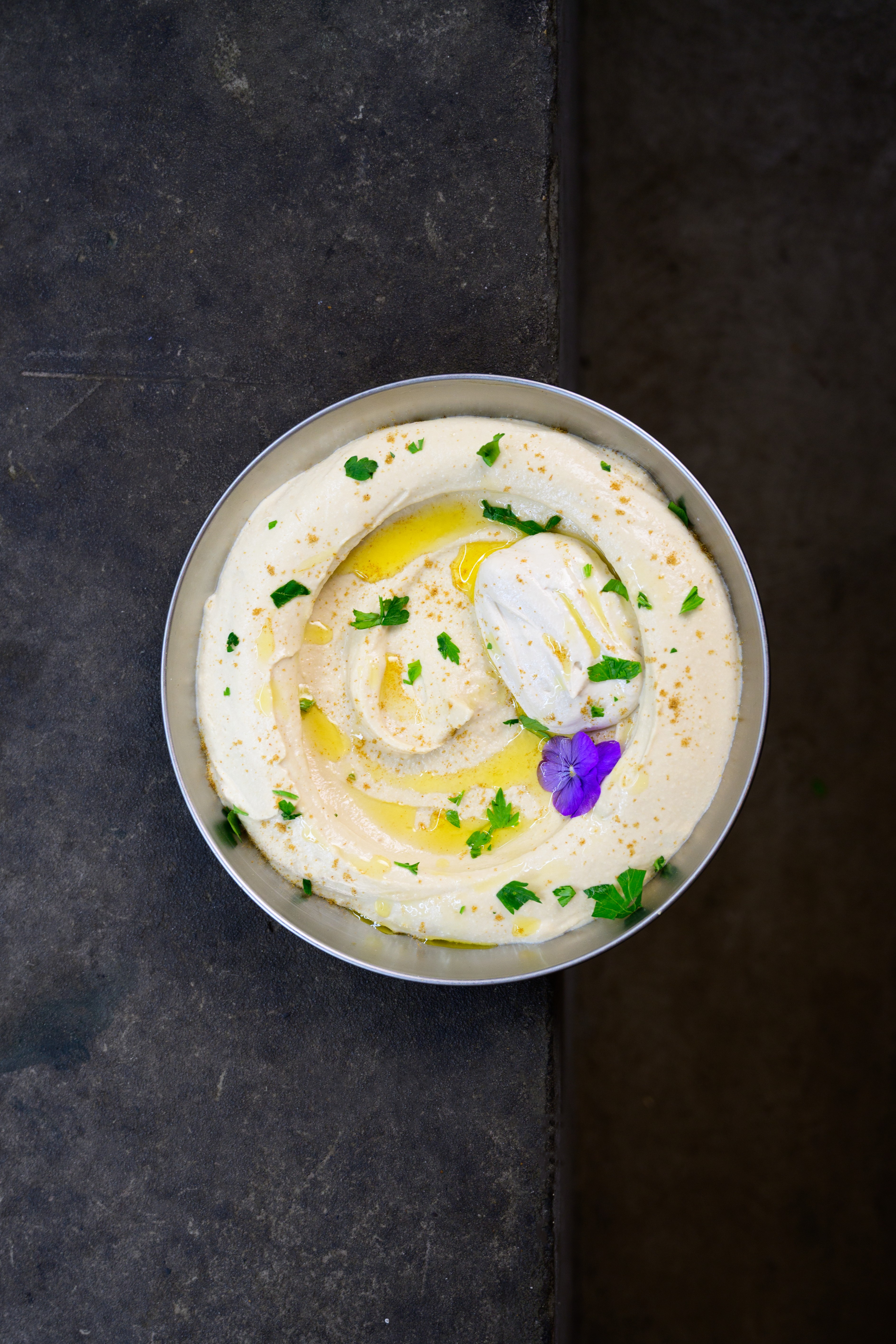
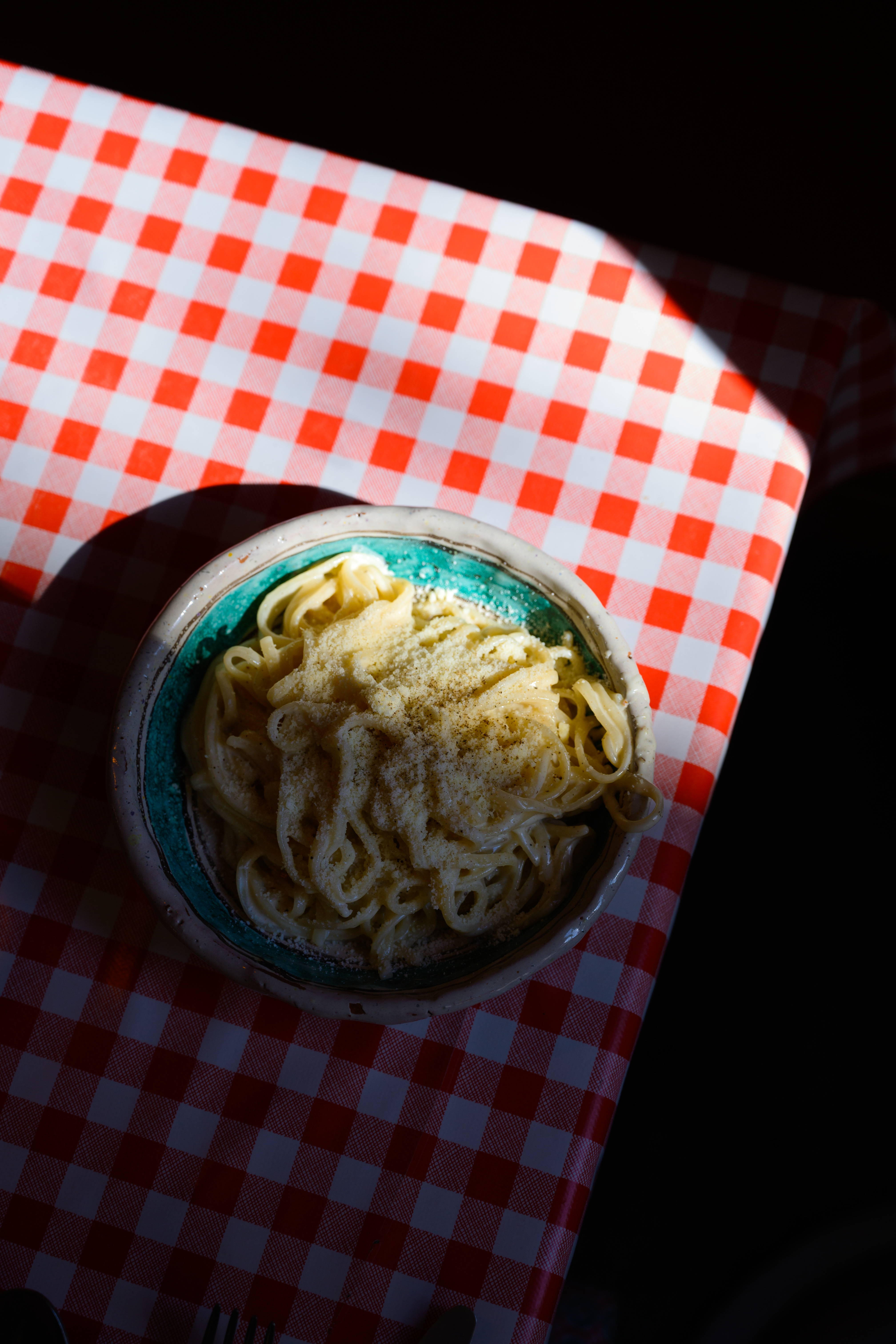
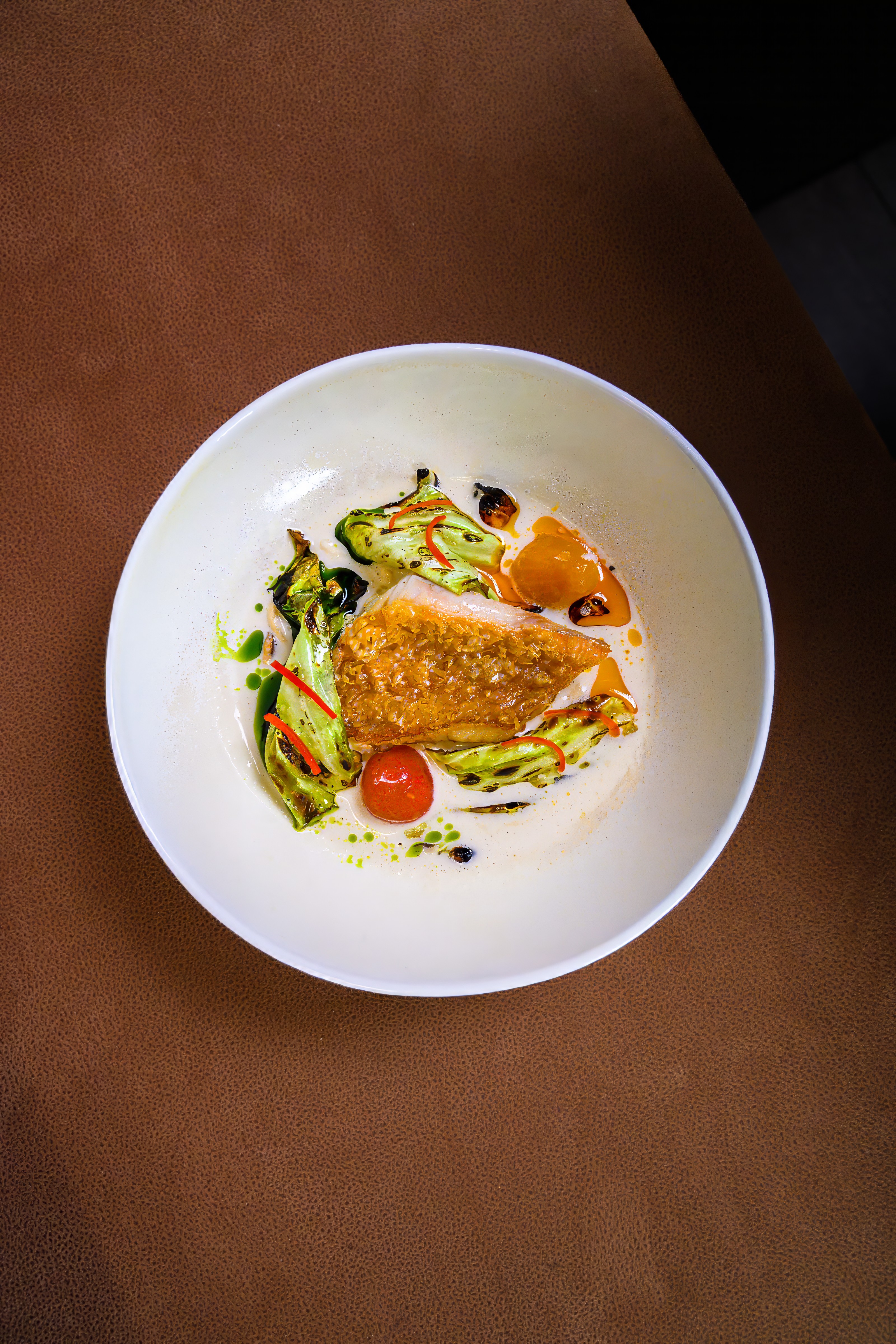
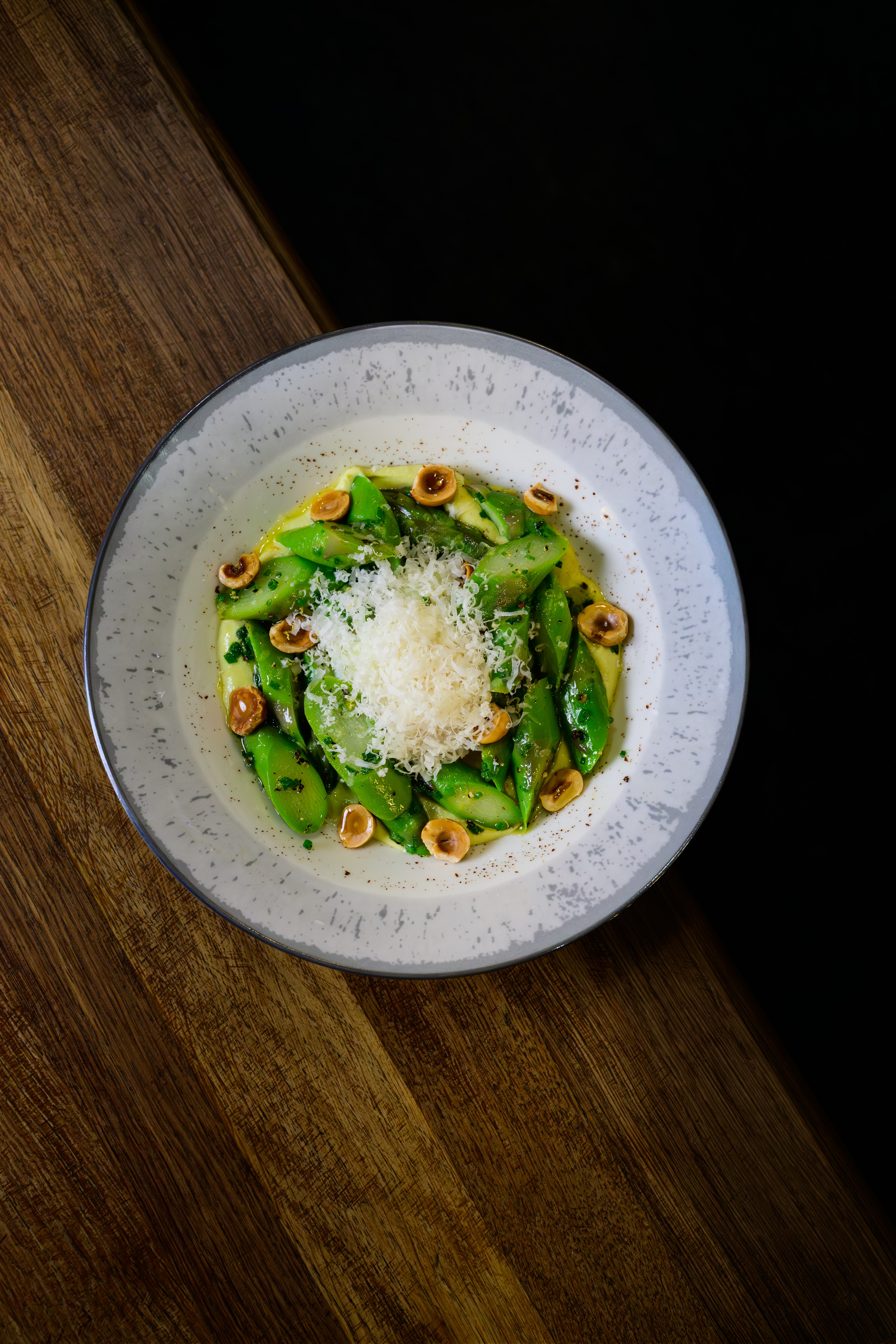
Desire earns the pause. Trust makes the restaurant feel credible. Action turns attention into a visit. Strong restaurant photography and video can create the first spark, while an original content system keeps the story consistent after the shoot.
Use data to decide what to repeat
Likes can be pleasant, but they are not the final measure. Look for signals closer to intent: profile visits, menu clicks, direction requests, reservation-page sessions and the services that fill after a campaign.
Review those signals by format, topic and publishing time. If behind-the-scenes clips repeatedly create profile visits while polished dish photos create saves, both formats are useful—but for different jobs. This is where restaurant data analysis turns content from a collection of posts into a learning system.
Create a simple booking path
Every useful post should make the next step obvious. The bio link should lead somewhere current. The booking page should work on mobile. Menus, address and opening hours should agree across the website and Google Business Profile. Google’s own local guidance emphasizes complete and accurate business information because it helps search systems understand relevance.
Do not make a hungry guest solve a puzzle. If the post promotes lunch, link to lunch. If it introduces a new menu, show the menu. If the desired action is a reservation, say so clearly.
A practical 30-day rhythm
- Choose one commercial priority for the month.
- Produce one strong visual story around that priority.
- Adapt it into several formats instead of inventing unrelated posts.
- Publish with one clear action.
- Review intent signals weekly and repeat what moves guests closer to booking.
The result is not louder content. It is a clearer restaurant story, connected to a real business objective. That is the difference between being seen and being chosen.
Want a content system built around reservations? Bistrot Bastards turns each production into a premium visual library your team can activate across its plan.